
- conference reports
- research highlights
- international activities
NANOMAT2026 – The 10th Annual Nanotechnology Conference
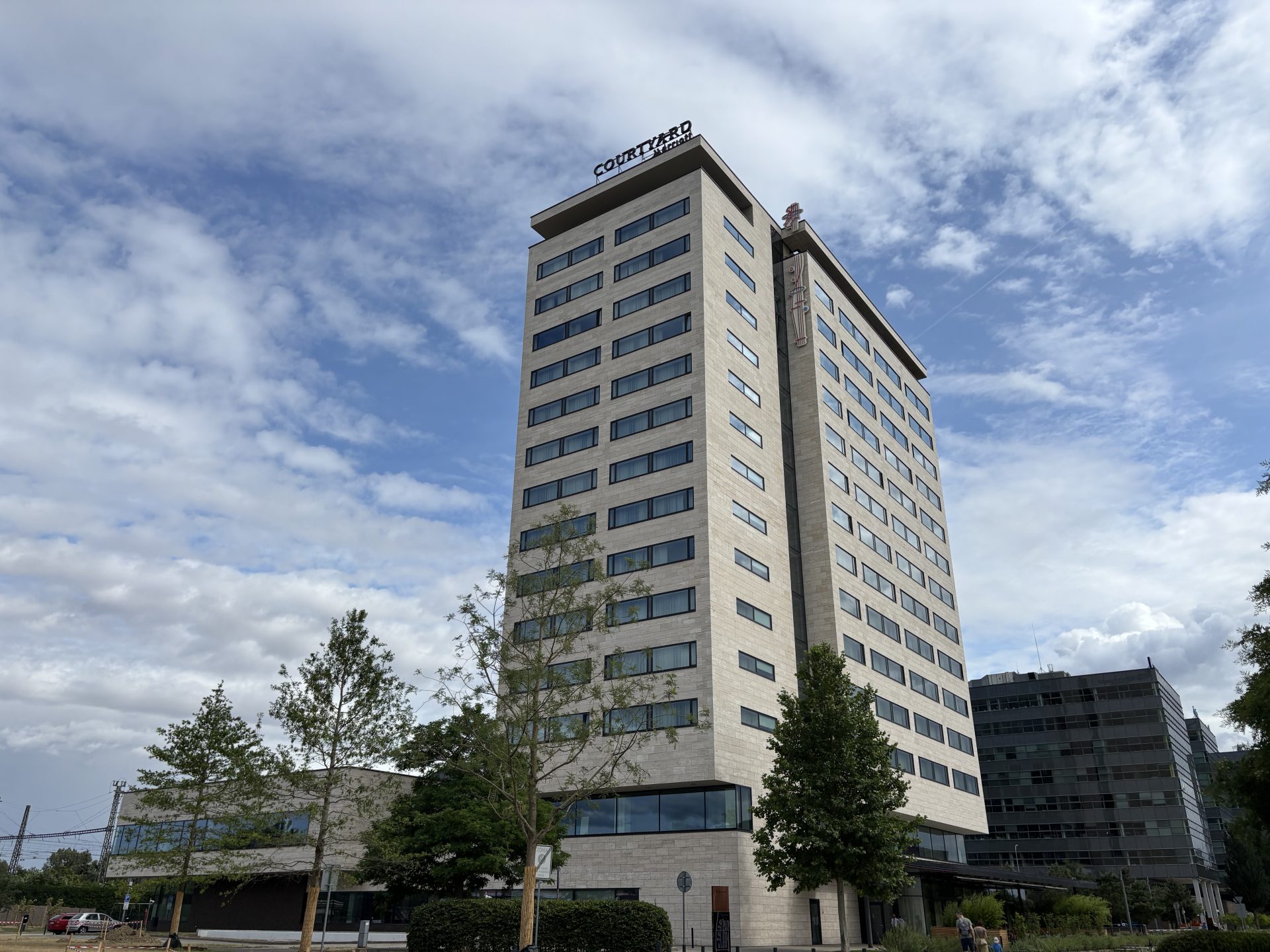
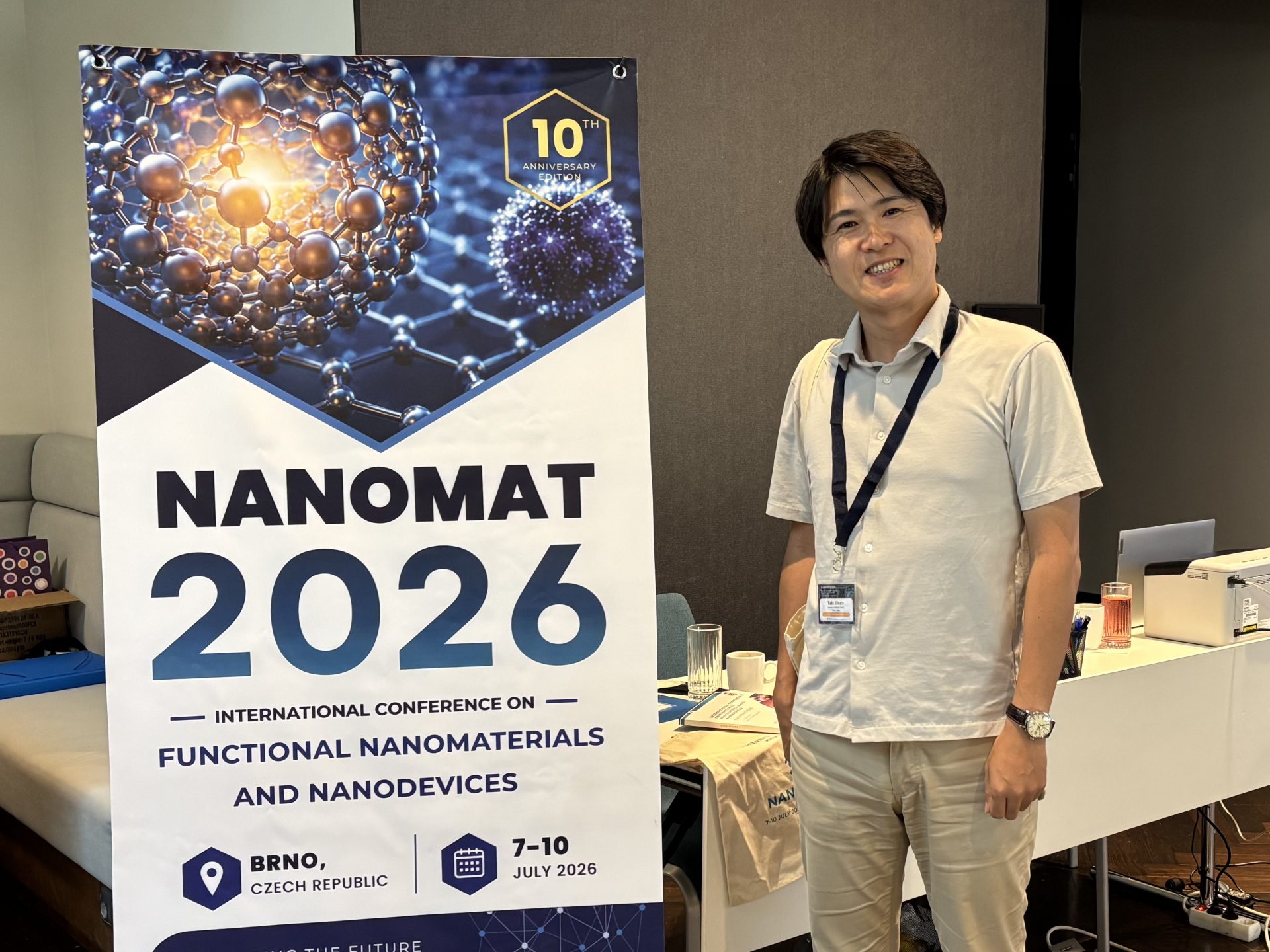
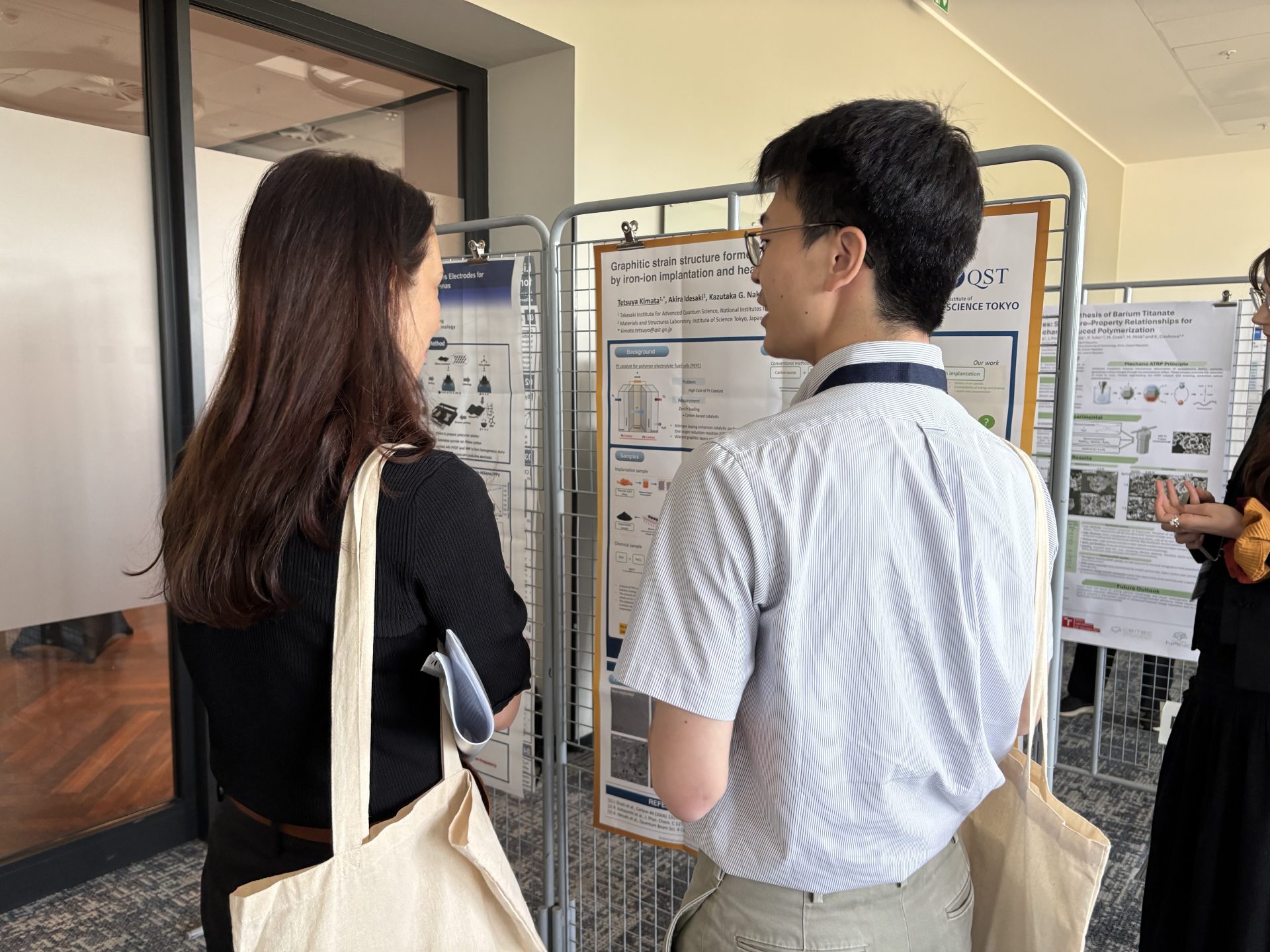
From July 7 to July 10, Professor Hirata participated in Nanomat2026, an international conference held in Brno, Czech Republic, where he presented research findings from our laboratory.
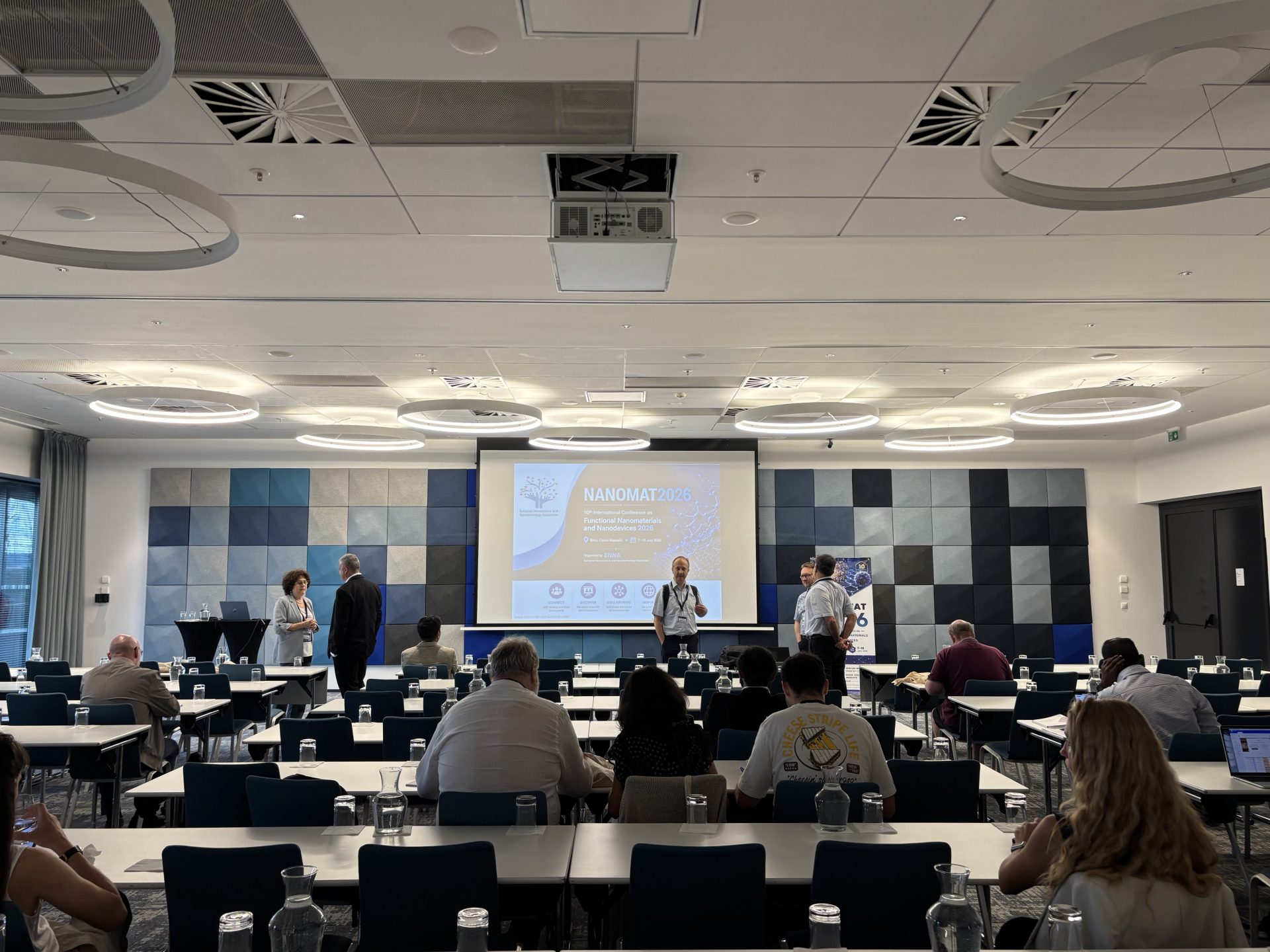
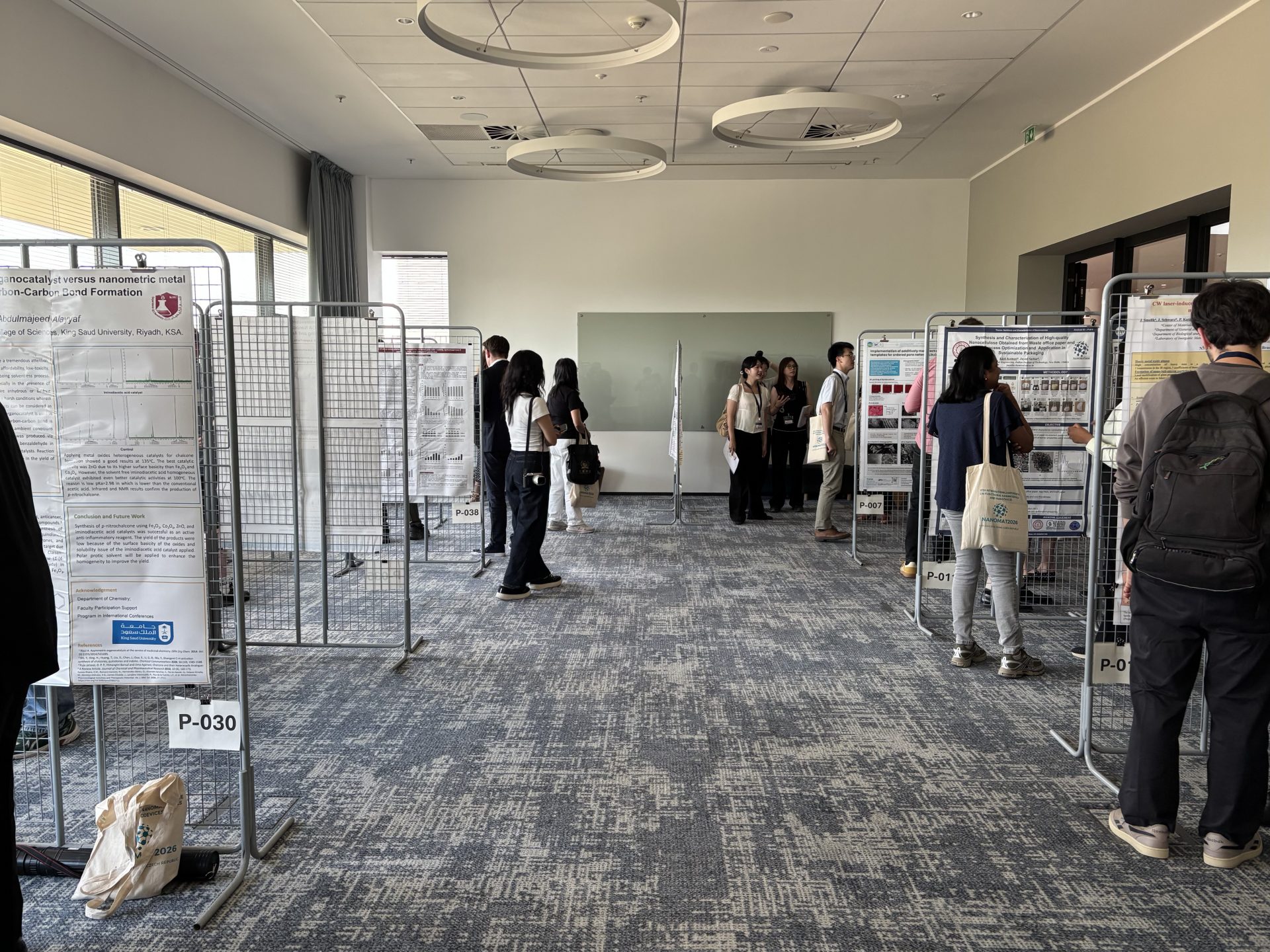
Nanomat2026 is an international conference covering a broad range of research fields related to nanomaterials, including material synthesis, structural characterization, physical property evaluation, functionalization, and applications. Researchers from around the world gathered to present their latest findings and engage in active discussions and exchanges of ideas.
The conference featured a wide variety of research on emerging synthesis technologies for nanomaterials, structural and physical property characterization, surface and interface engineering, and applications of functional nanomaterials. In addition to fundamental materials research, numerous studies targeting applications in areas such as energy, environmental technologies, electronics, and sensing were presented, providing a valuable opportunity to learn about the latest developments and trends in nanomaterials research.
Professor Hirata presented our research on the high-speed synthesis of two-dimensional materials and the fabrication of van der Waals (vdW) heterostructures using the SAHP (Sputtering Annealing Hybrid Process). In his presentation, he introduced the key features of the SAHP method, which combines sputtering and annealing to enable significantly faster synthesis of two-dimensional materials compared with conventional CVD methods. He also presented our research on the fabrication of high-quality two-dimensional materials and vdW heterostructures using this method.
Brno: A City Steeped in the History of Science
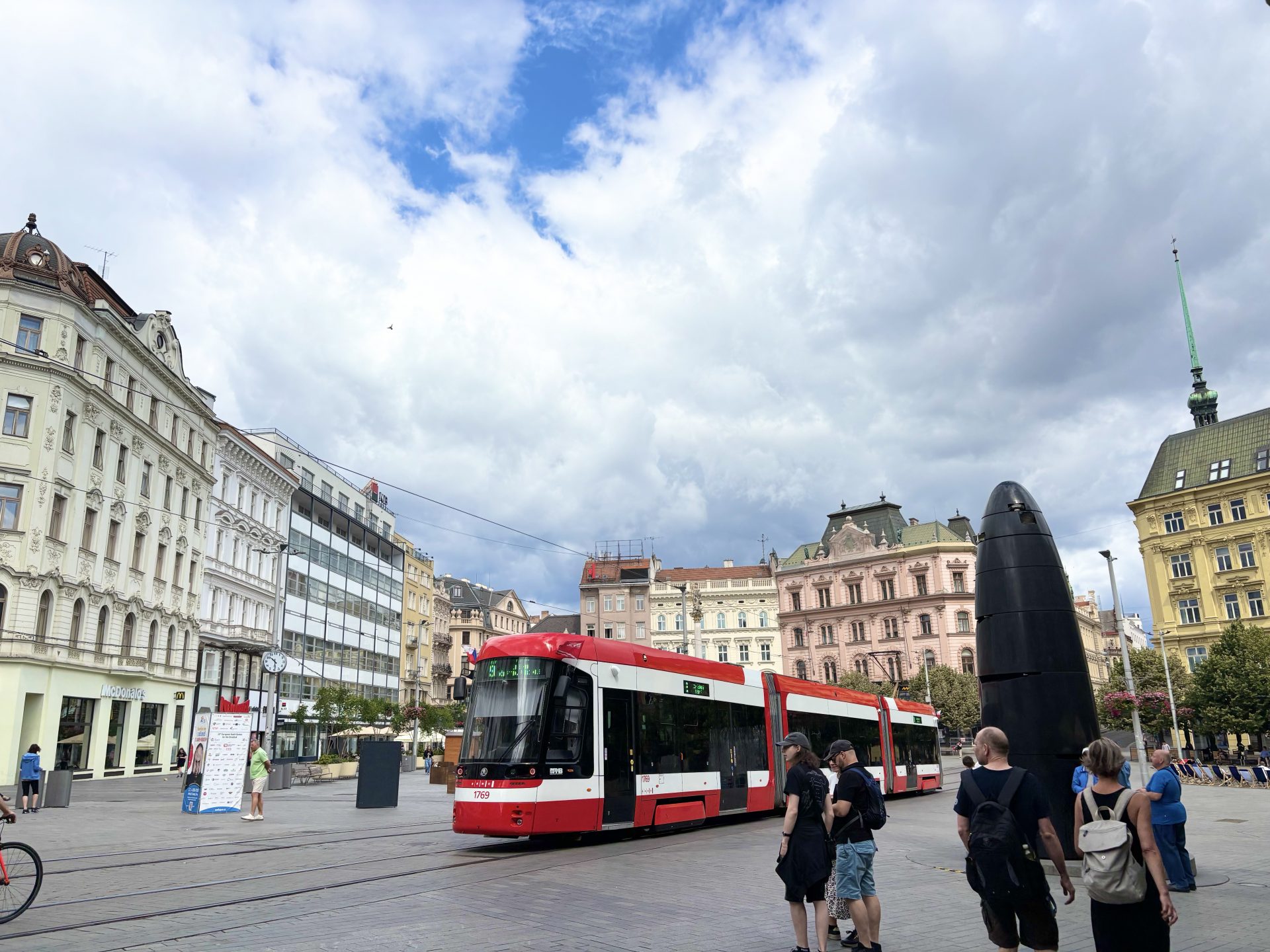
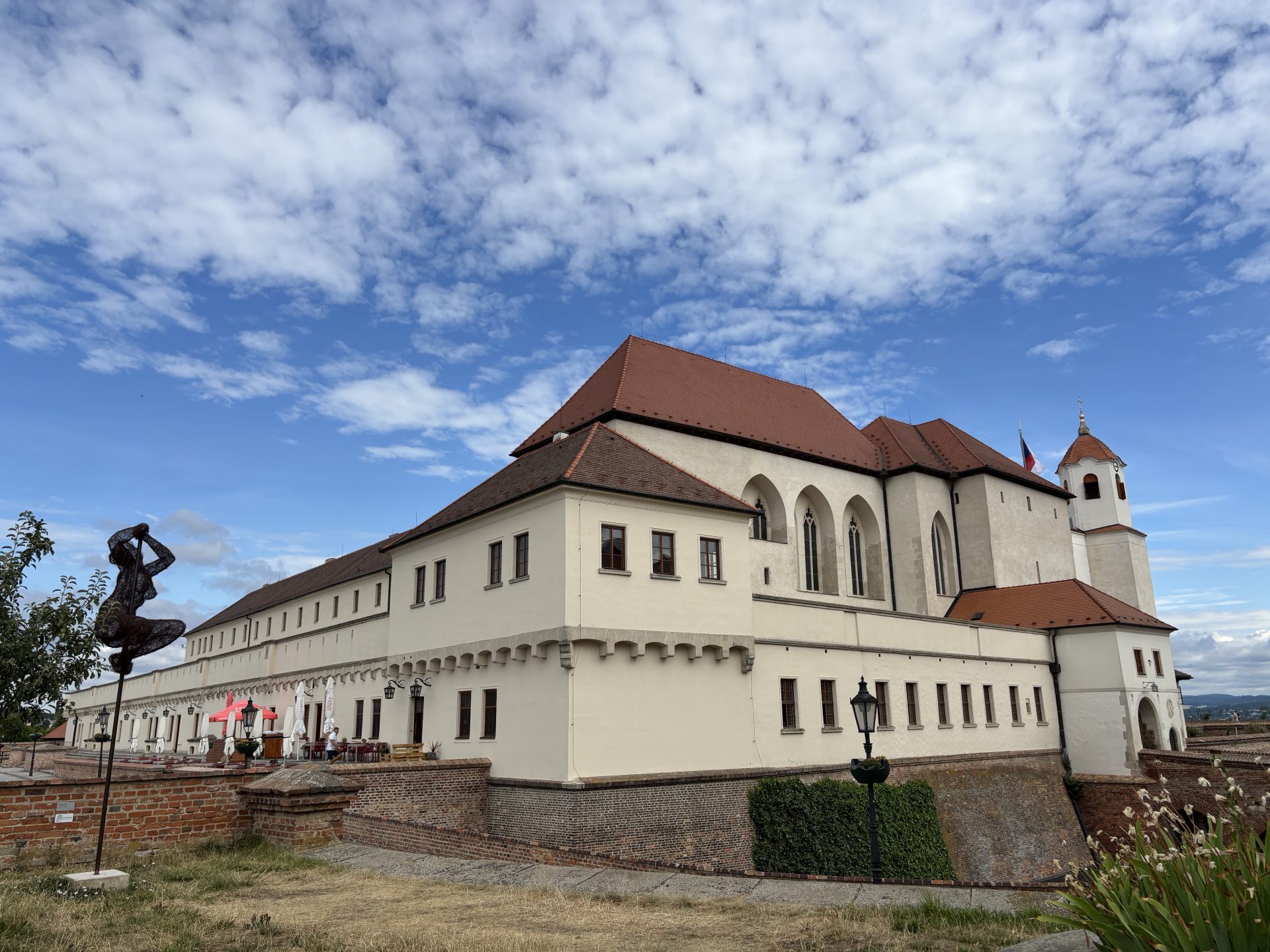
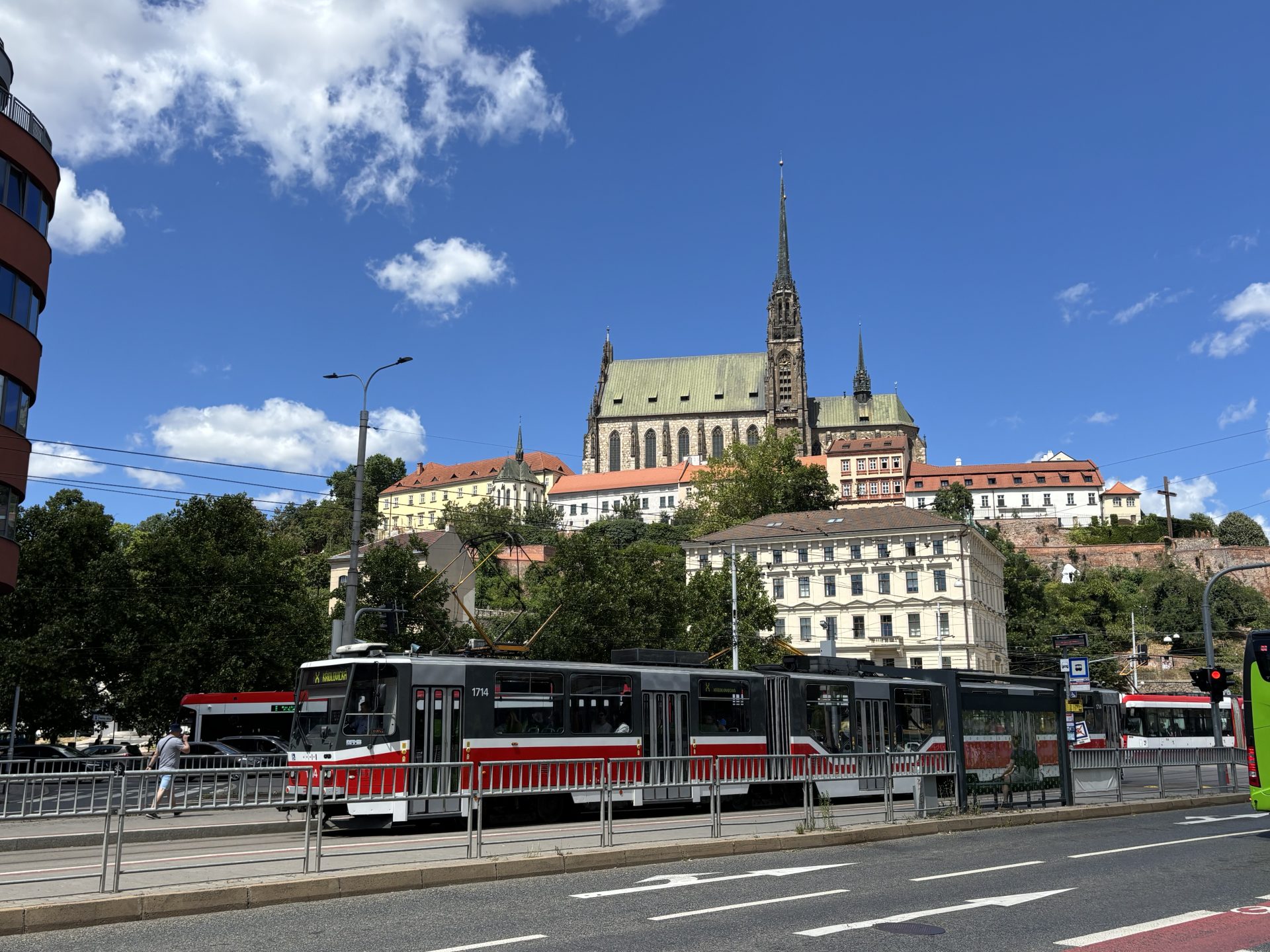
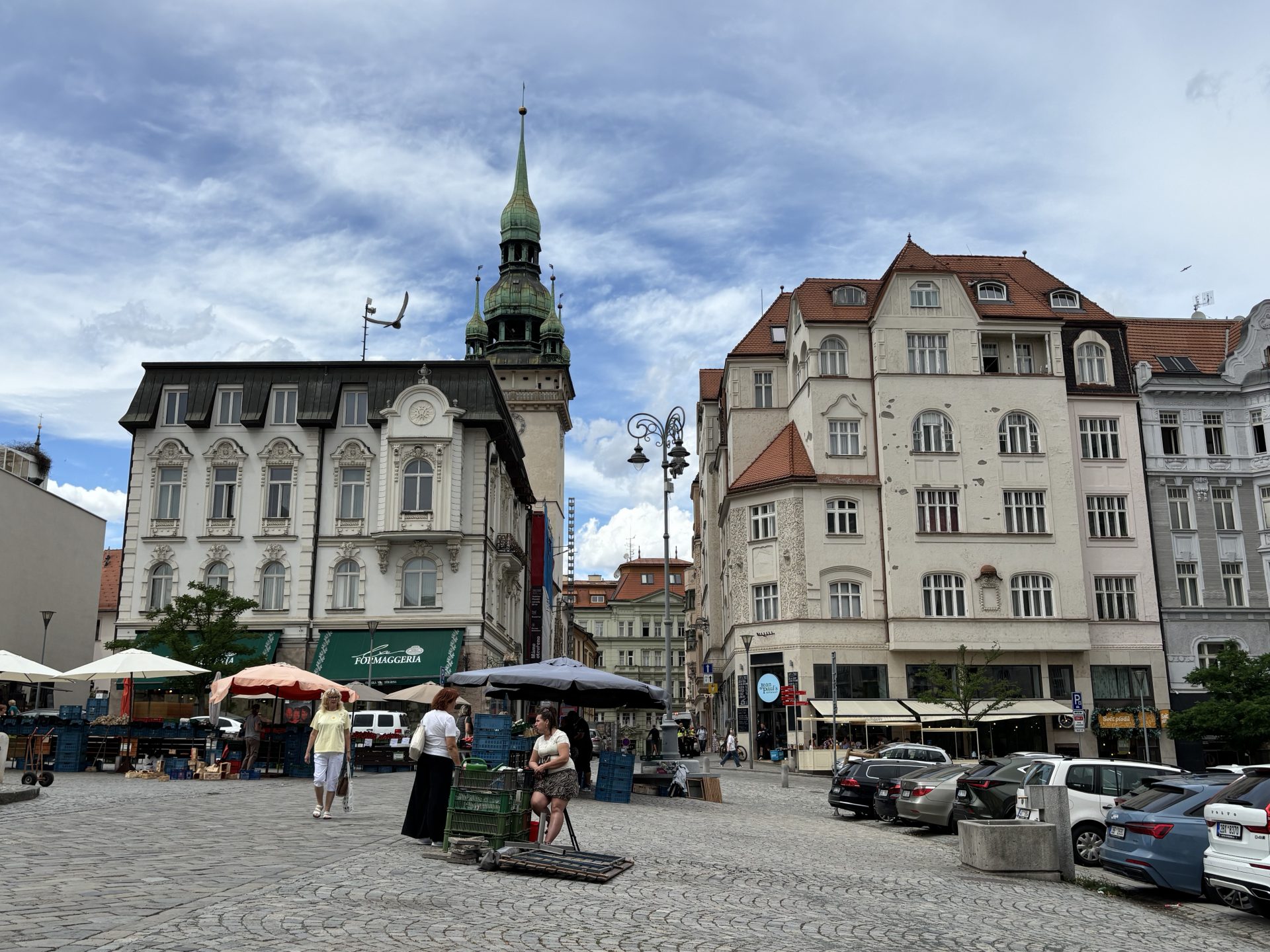
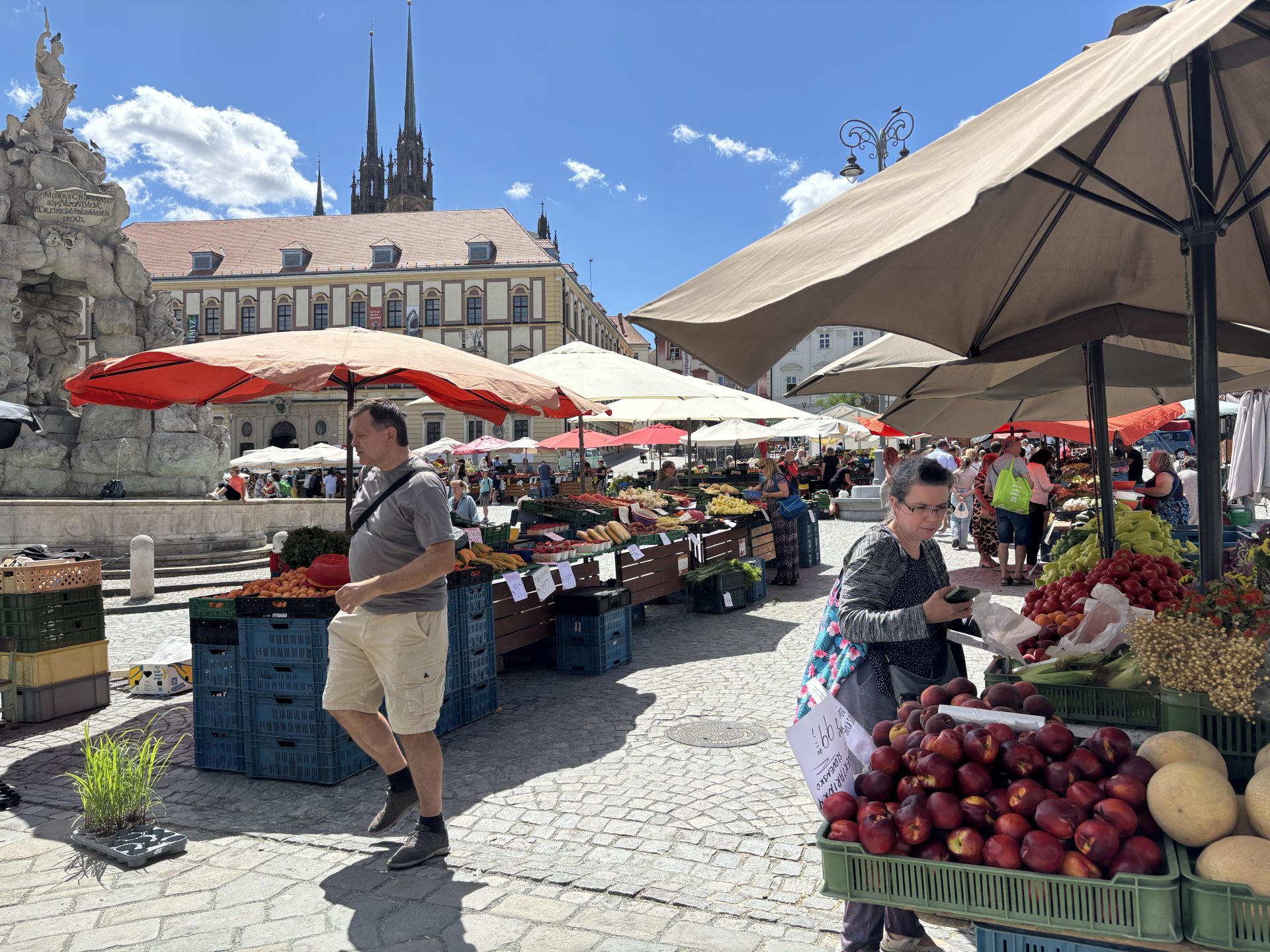
Brno, the host city of the conference, is the second-largest city in the Czech Republic and one of the country’s major academic and research centers. While the city is known for its historic architecture and charming cityscape, it is also an important hub for science and technology, with numerous universities and research institutions.
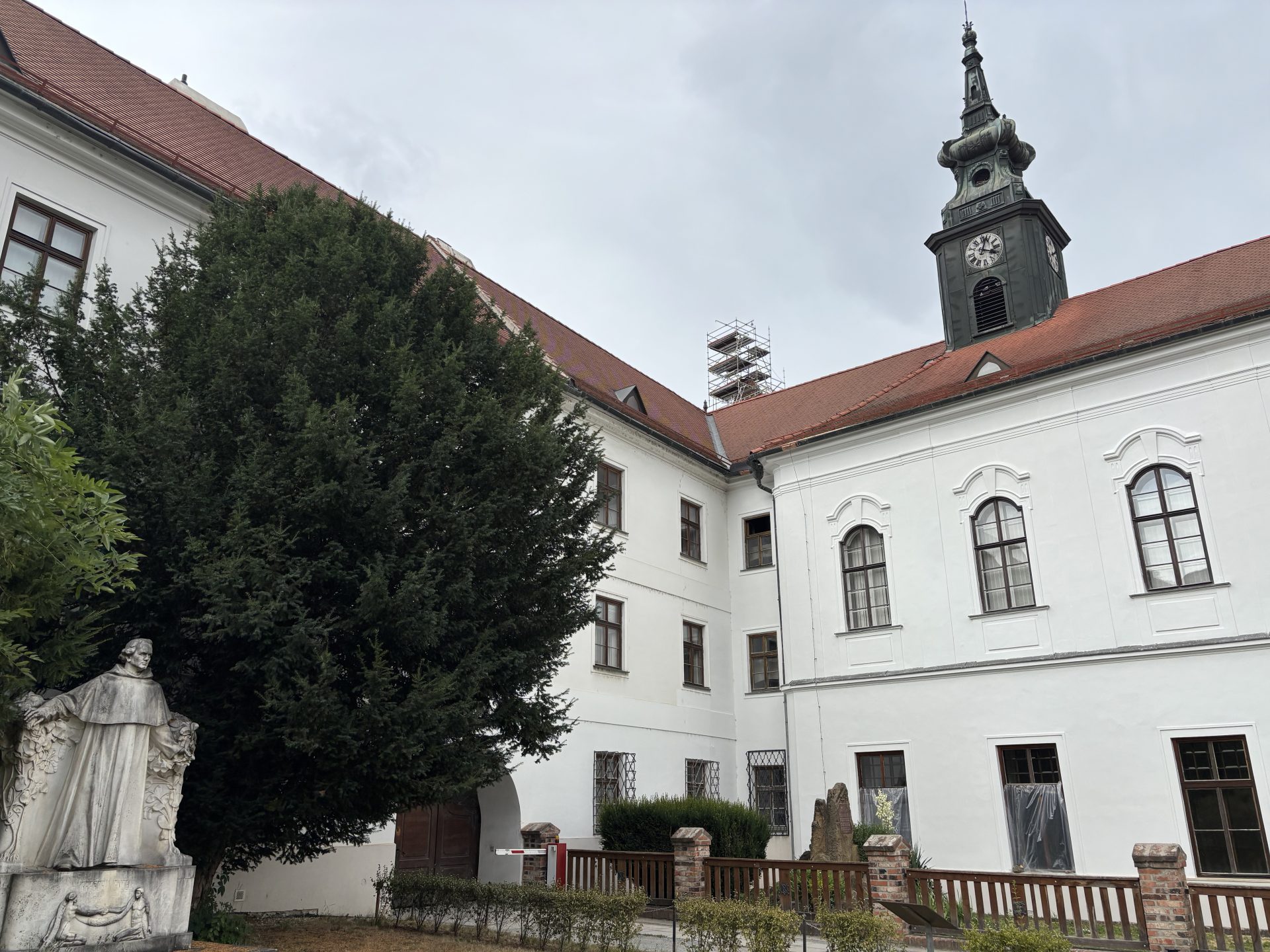
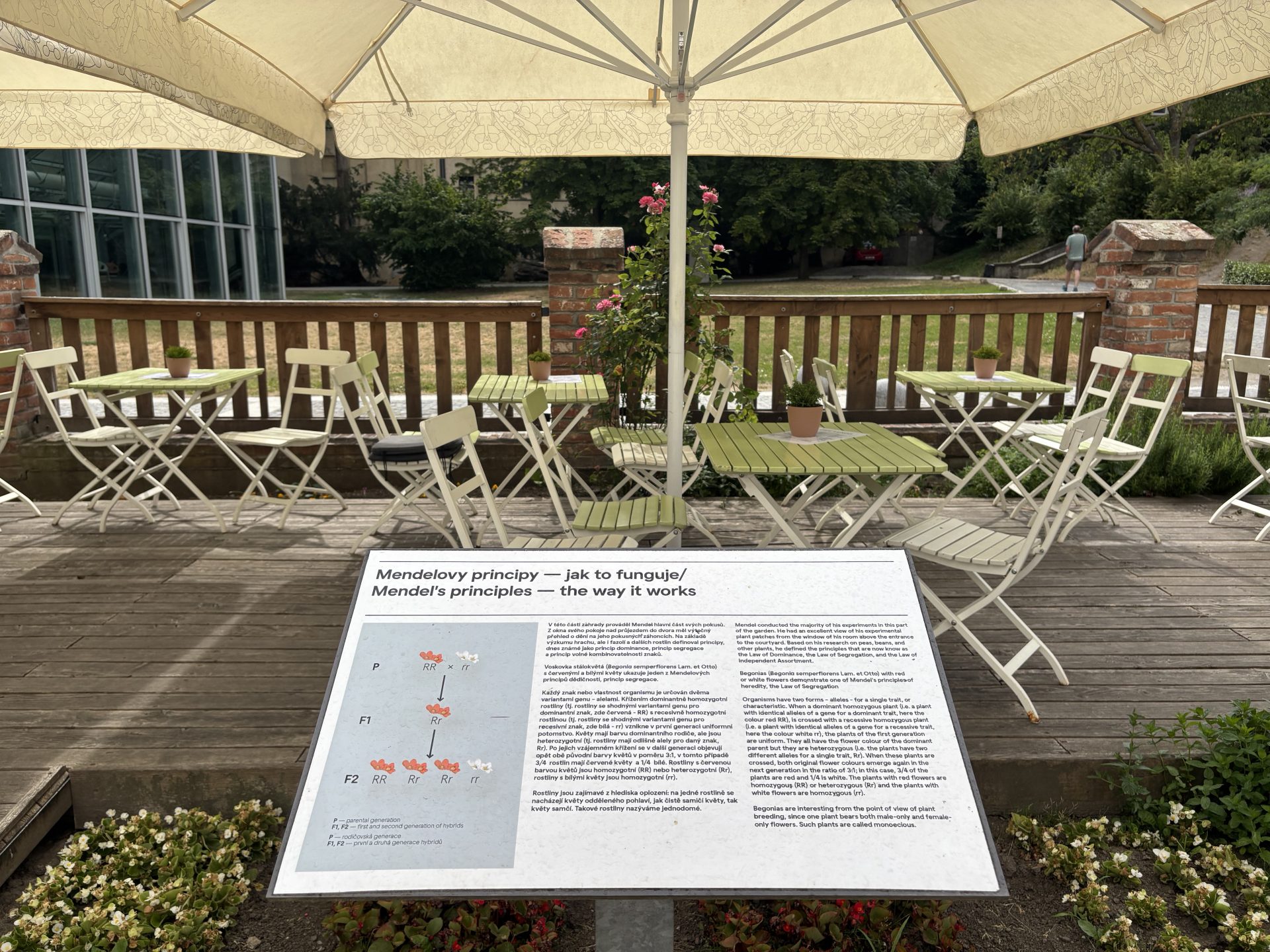
Brno is also well known for its connection to Gregor Johann Mendel, who laid the foundations of modern genetics. Mendel conducted his pioneering experiments on pea plants at the St. Thomas Abbey in Brno, where he discovered the fundamental principles of heredity that are now known as Mendel’s Laws. His research had a profound influence on the subsequent development of genetics.
During the stay, we also visited the Mendel Museum, which was established at the site where Mendel conducted his research. Visiting this historic location provided an opportunity to experience firsthand the environment in which some of the most important research in the history of science was carried out.