- conference reports
- international activities
- activity
Graphene2026 – 16th Graphene Conference Series
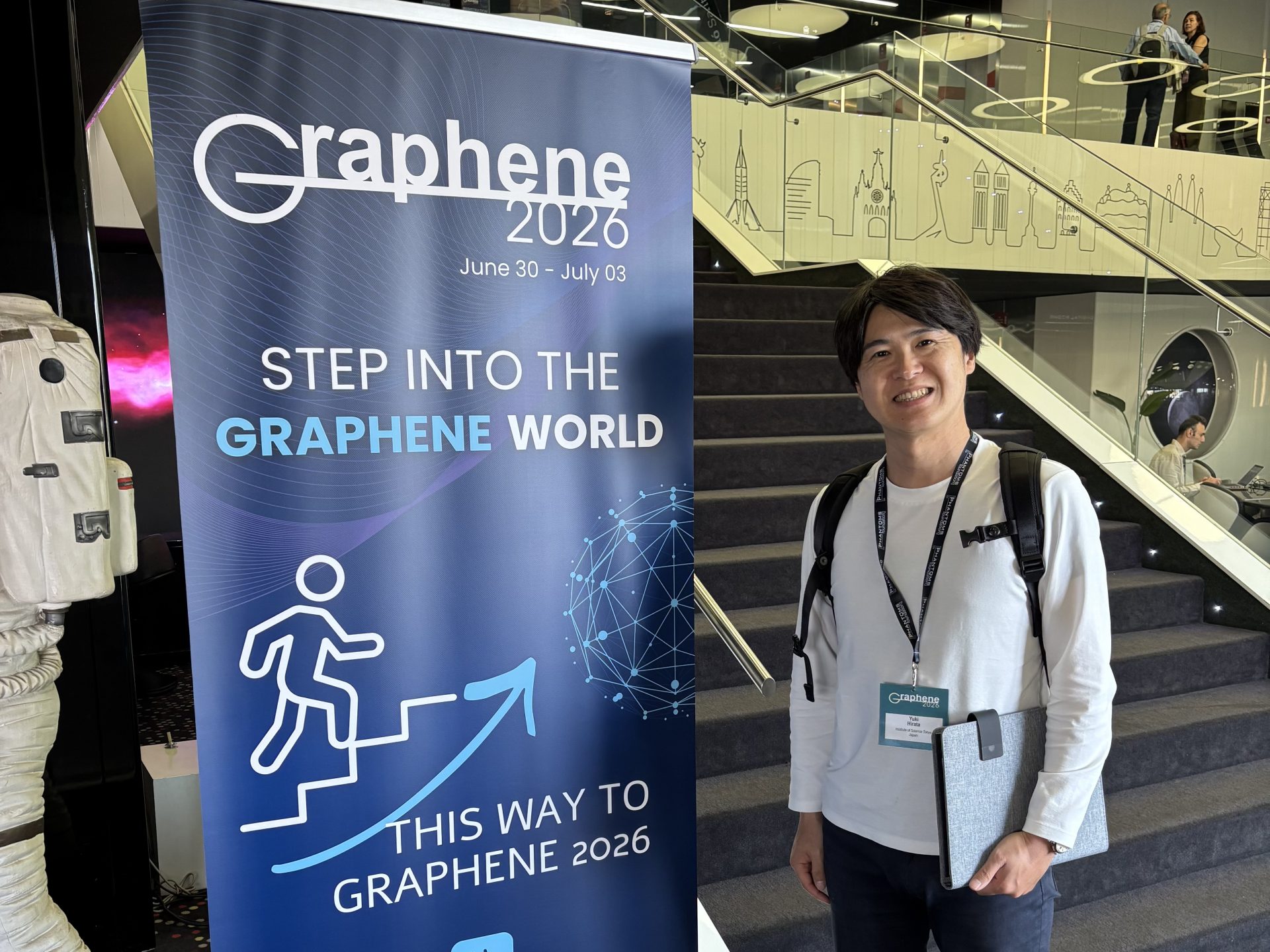
From June 30 to July 3, Professor Hirata participated in Graphene2026, an international conference held in Barcelona, Spain, where he presented our latest research findings.
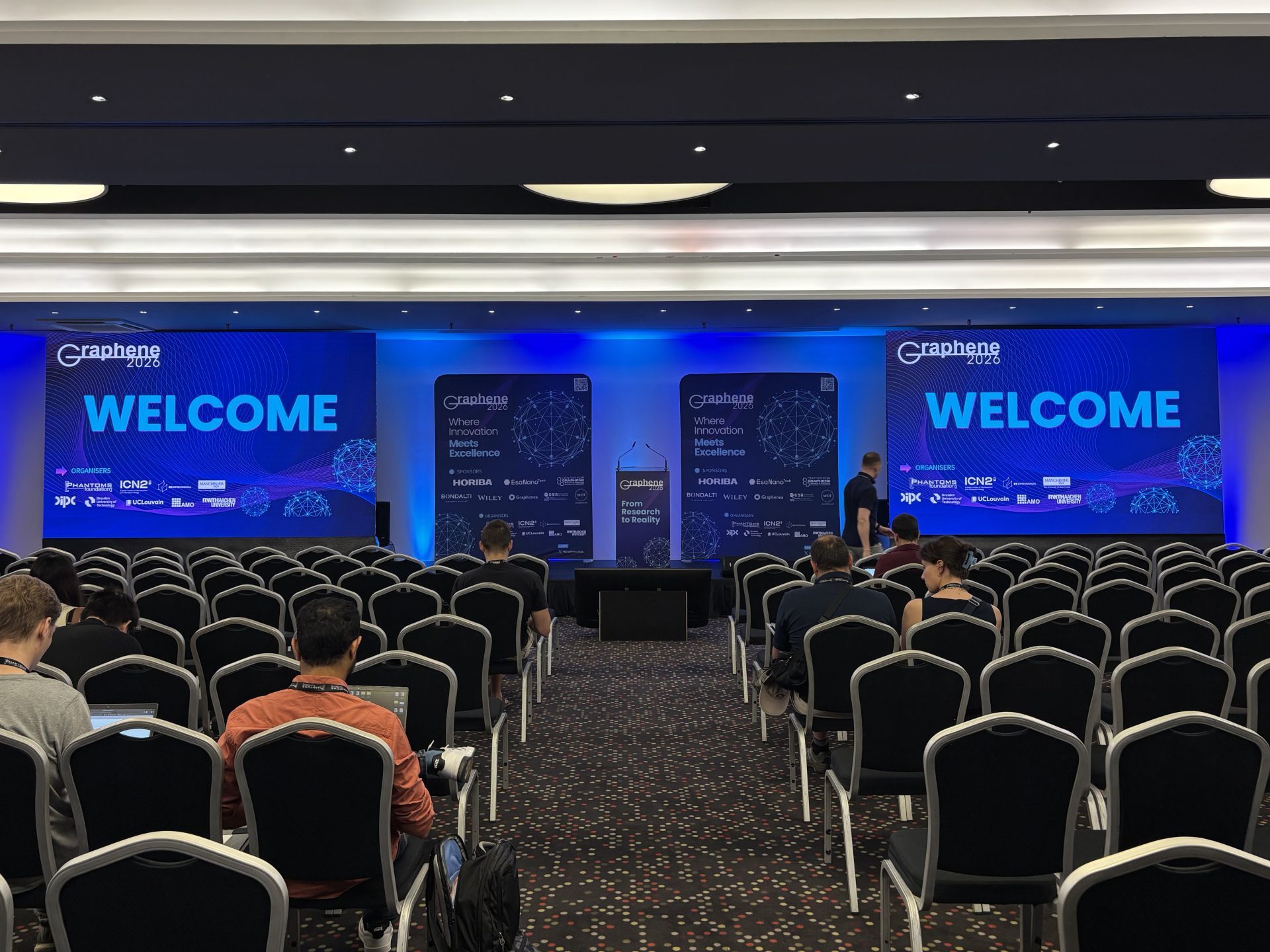
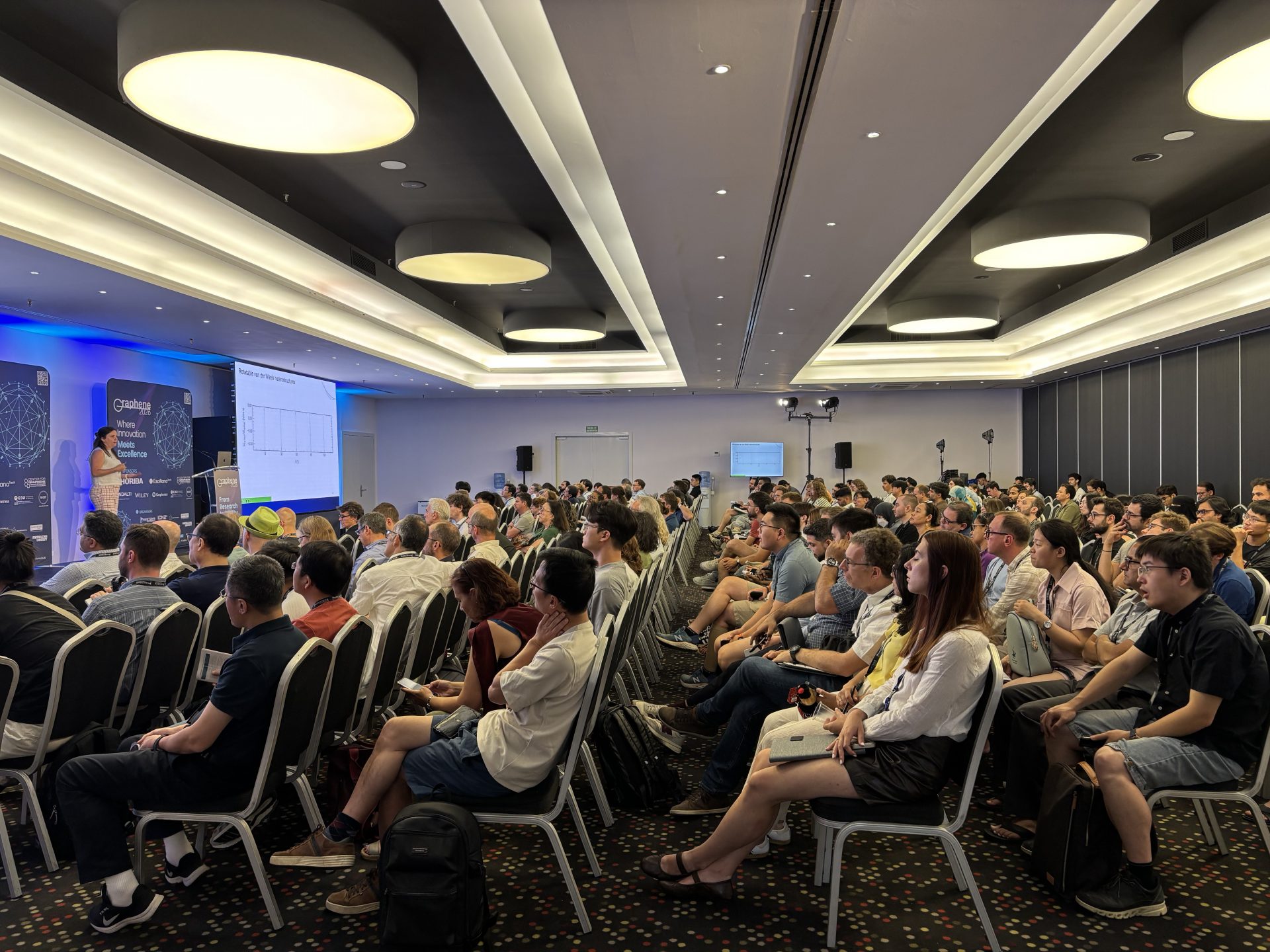
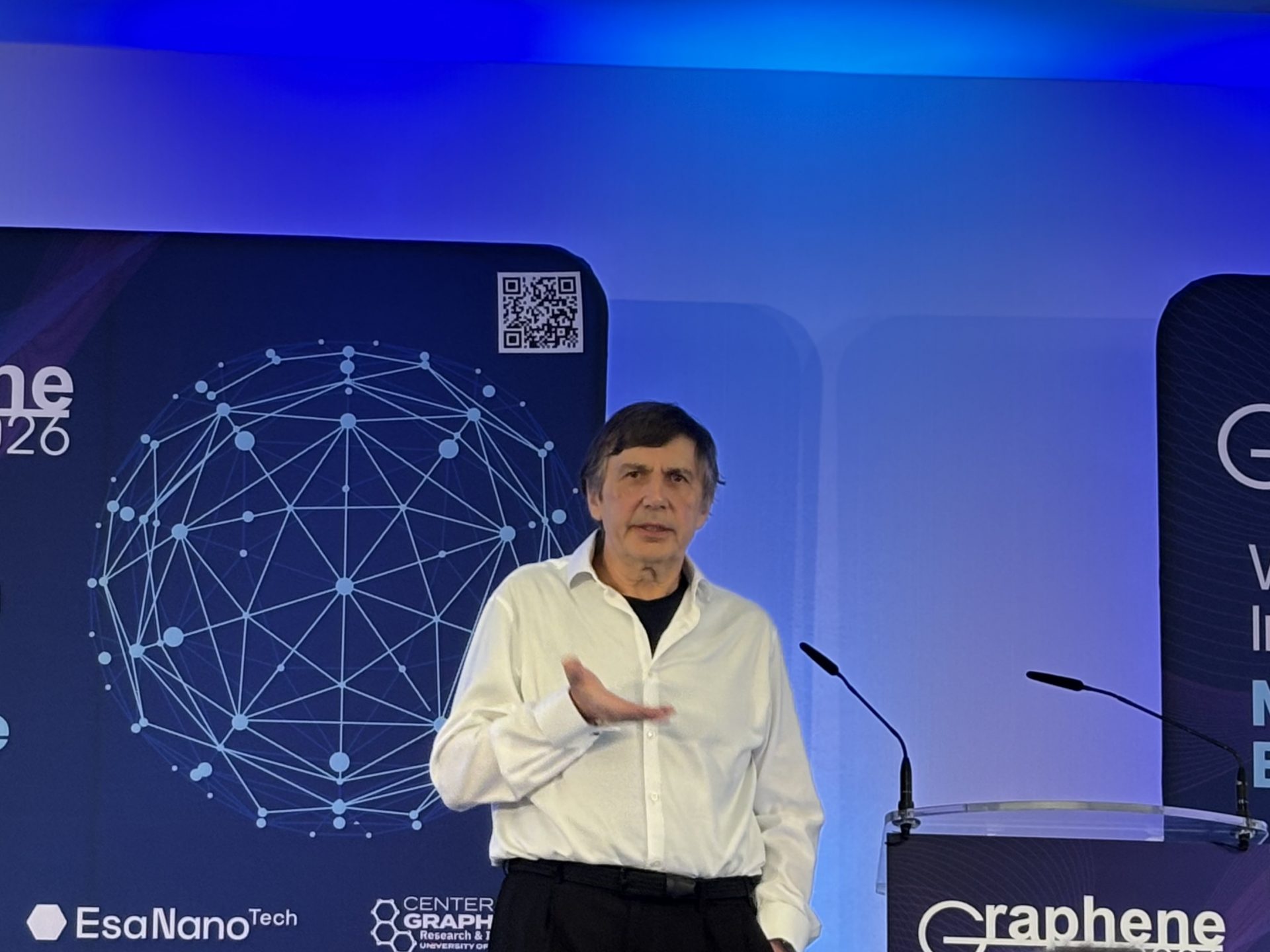
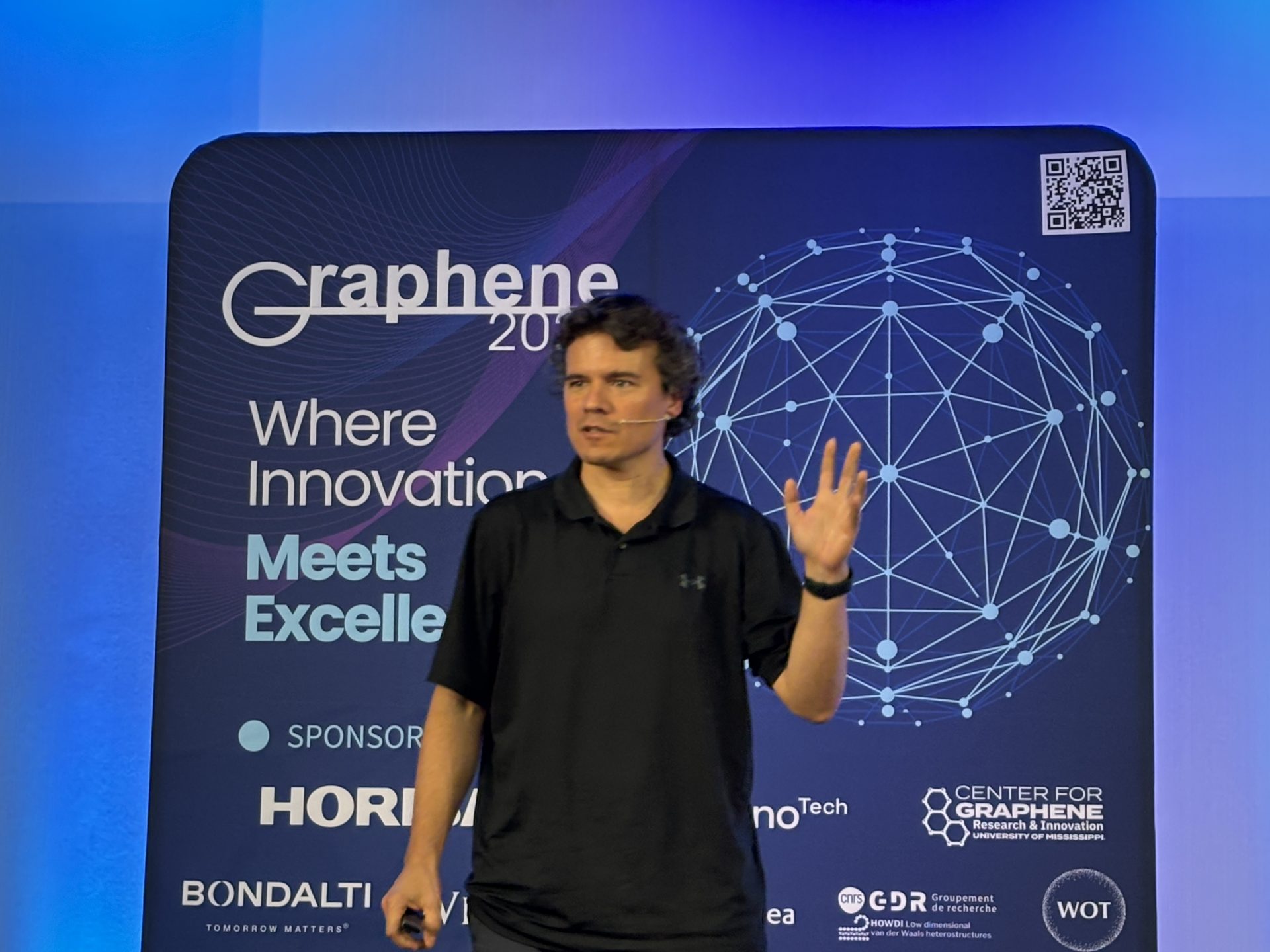
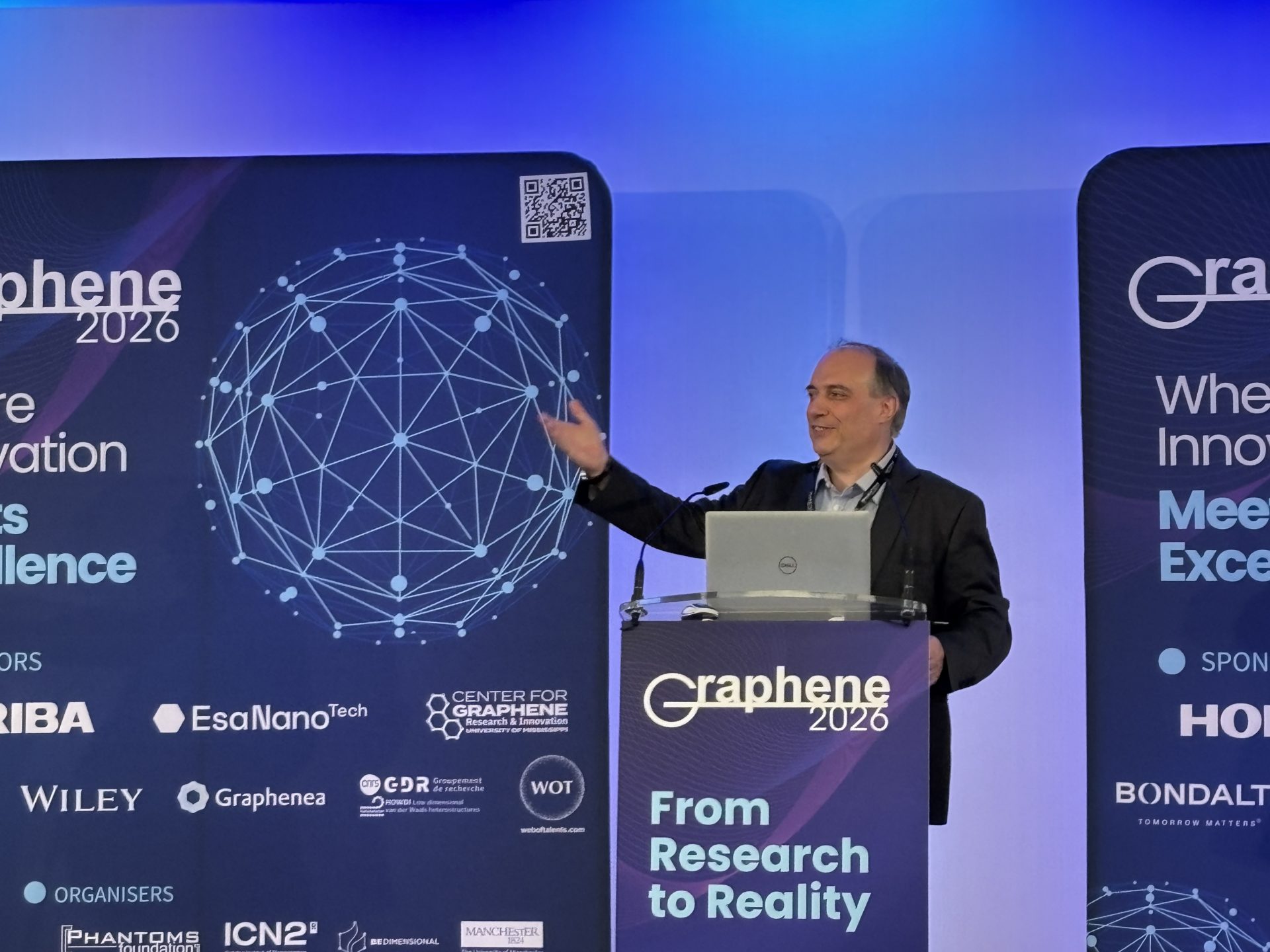
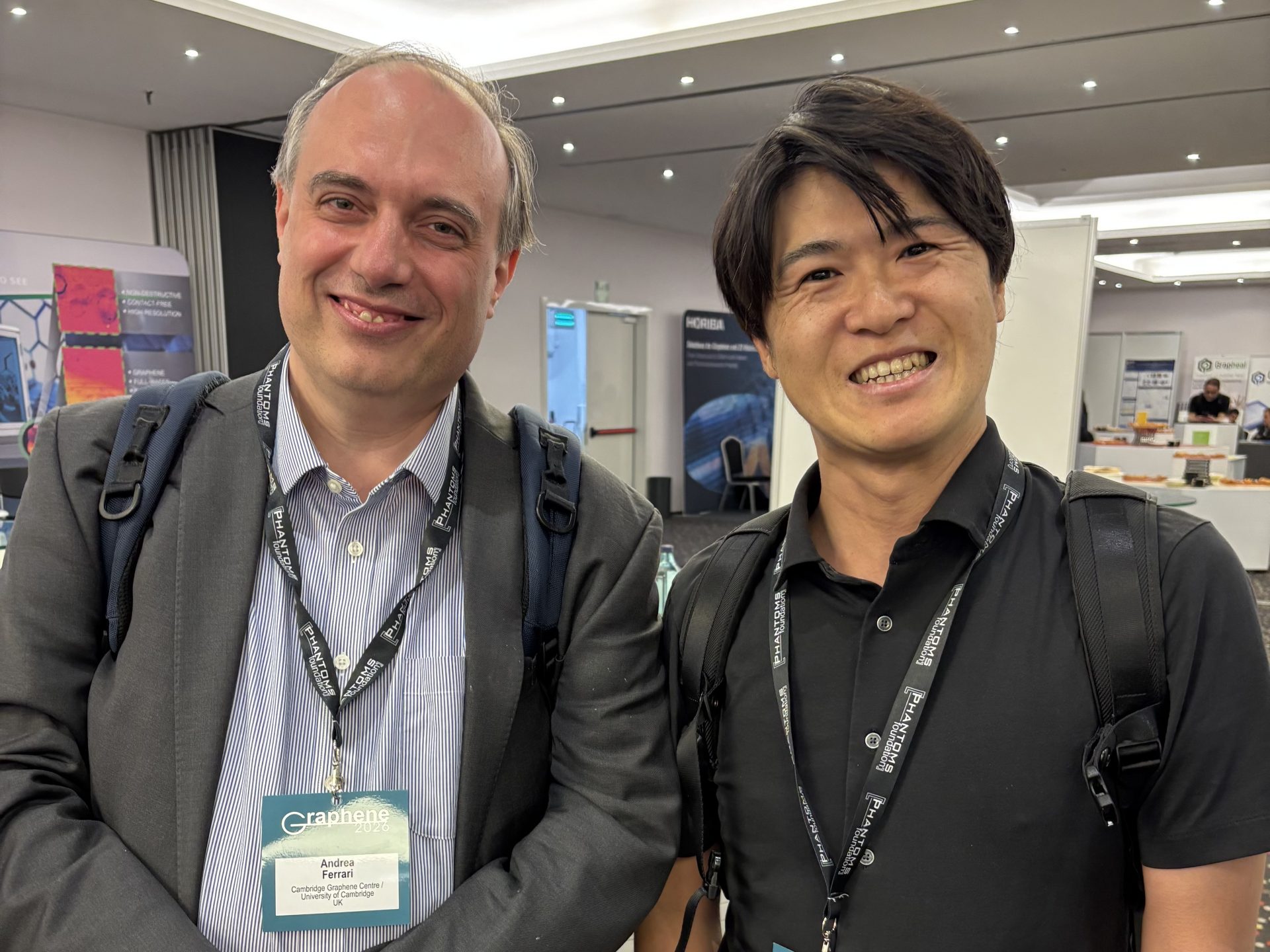
Graphene2026 is an international conference focusing on graphene and other two-dimensional (2D) materials and van der Waals (vdW) materials. The conference covered a broad range of topics, from fundamental physical properties and material synthesis to nanometrology and device applications. Researchers from around the world gathered for highly active discussions and research exchanges. The conference featured many leading researchers in the field, including Professor Andre Geim of the University of Manchester, who was awarded the Nobel Prize in Physics in 2010 for his pioneering research on graphene; Professor Pablo Jarillo-Herrero of MIT, renowned for his groundbreaking research on superconductivity in moiré superlattices; and Professor Andrea C. Ferrari of the University of Cambridge, internationally recognized for his work on Raman spectroscopy of graphene and other 2D materials. The conference featured cutting-edge research on a wide range of topics, including graphene, transition metal dichalcogenides (TMDCs), and hBN, as well as van der Waals heterostructures, moiré materials, nanodevices, and applications in energy and environmental technologies. In addition to fundamental studies of the physical properties of 2D materials, active discussions were held on large-area synthesis, device fabrication, and the integration of different materials toward practical applications. The conference provided a valuable opportunity to gain insights into the latest trends and future directions in 2D materials research.
Professor Hirata presented our research on high-speed synthesis of 2D materials and fabrication of van der Waals heterostructures using the SAHP (Sputtering-Annealing Hybrid Process) method. In his presentation, he introduced the key features of the SAHP method, which enables significantly faster synthesis of 2D materials than conventional CVD methods, as well as our future plans for scaling up the technology and developing functional devices based on these materials.
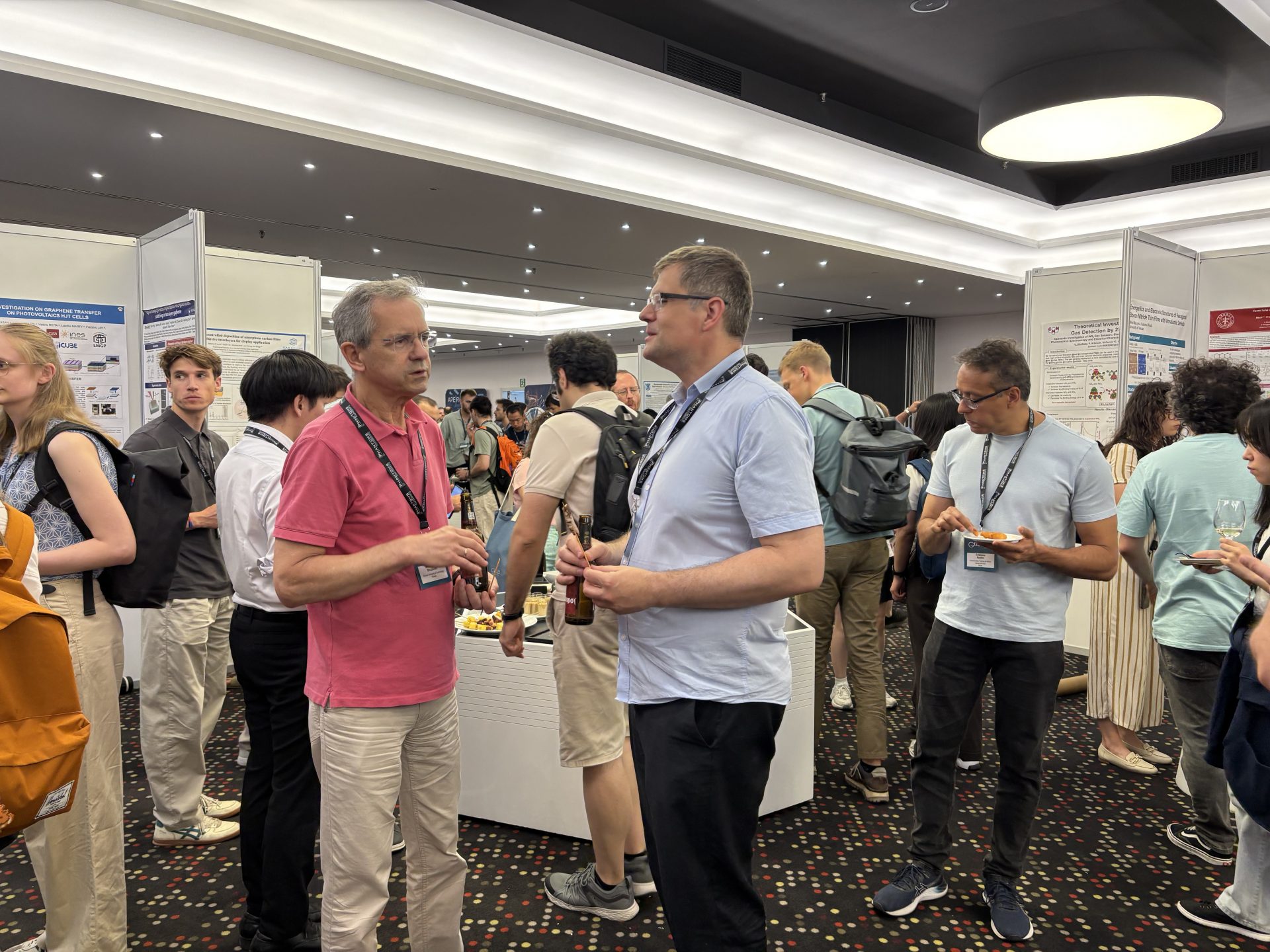
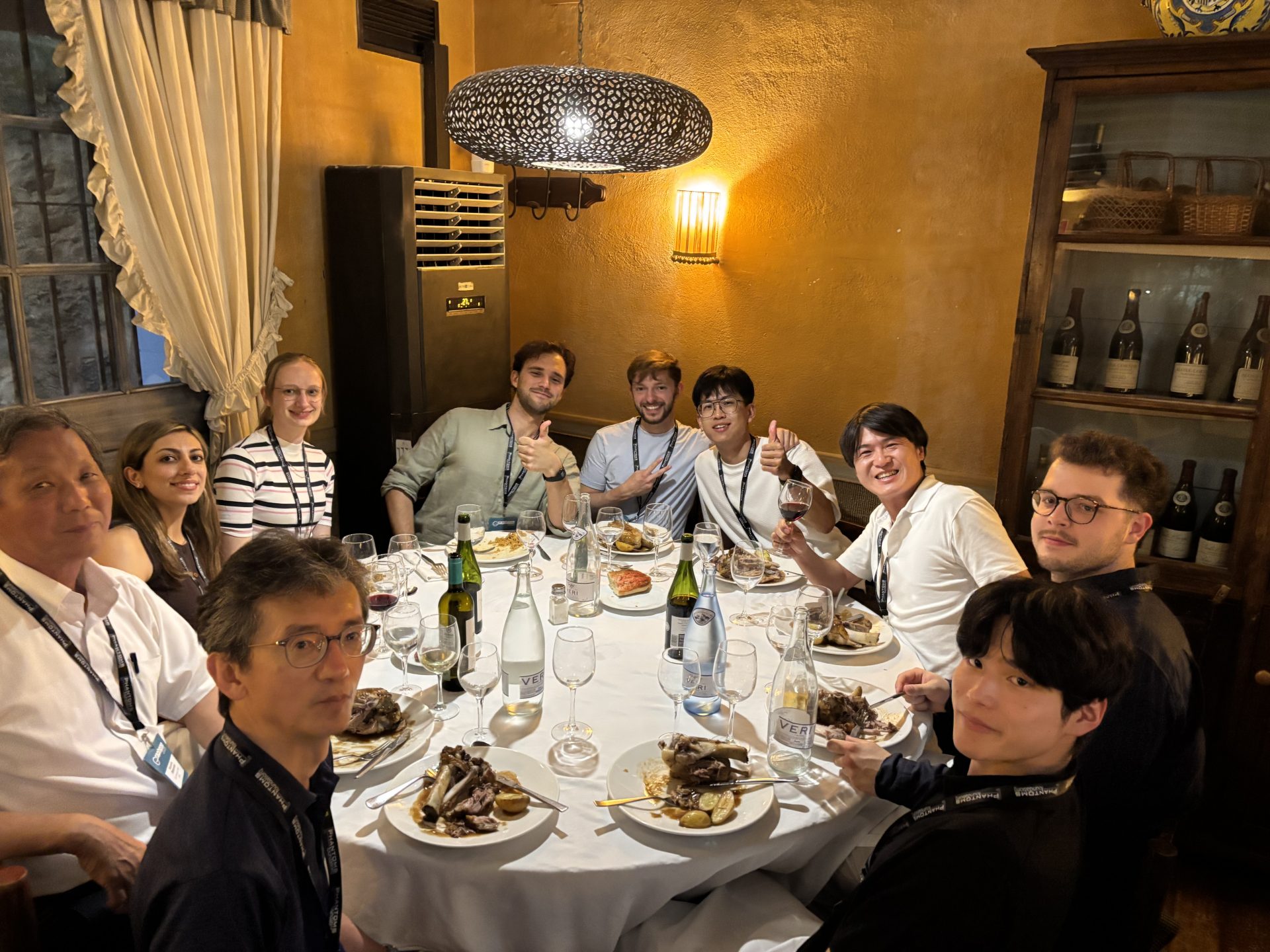
During the conference, Professor Hirata also exchanged ideas with researchers from around the world and discussed the latest developments in 2D material synthesis, characterization techniques, and device applications. The conference provided valuable opportunities to establish new research connections that may lead to future international collaborations.
The knowledge and research connections gained through participation in Graphene2026 will be leveraged to further advance our research toward the high-speed and large-area synthesis of 2D materials and van der Waals heterostructures, as well as their application to next-generation nanodevices.
Barcelona: A City of Art and Architecture
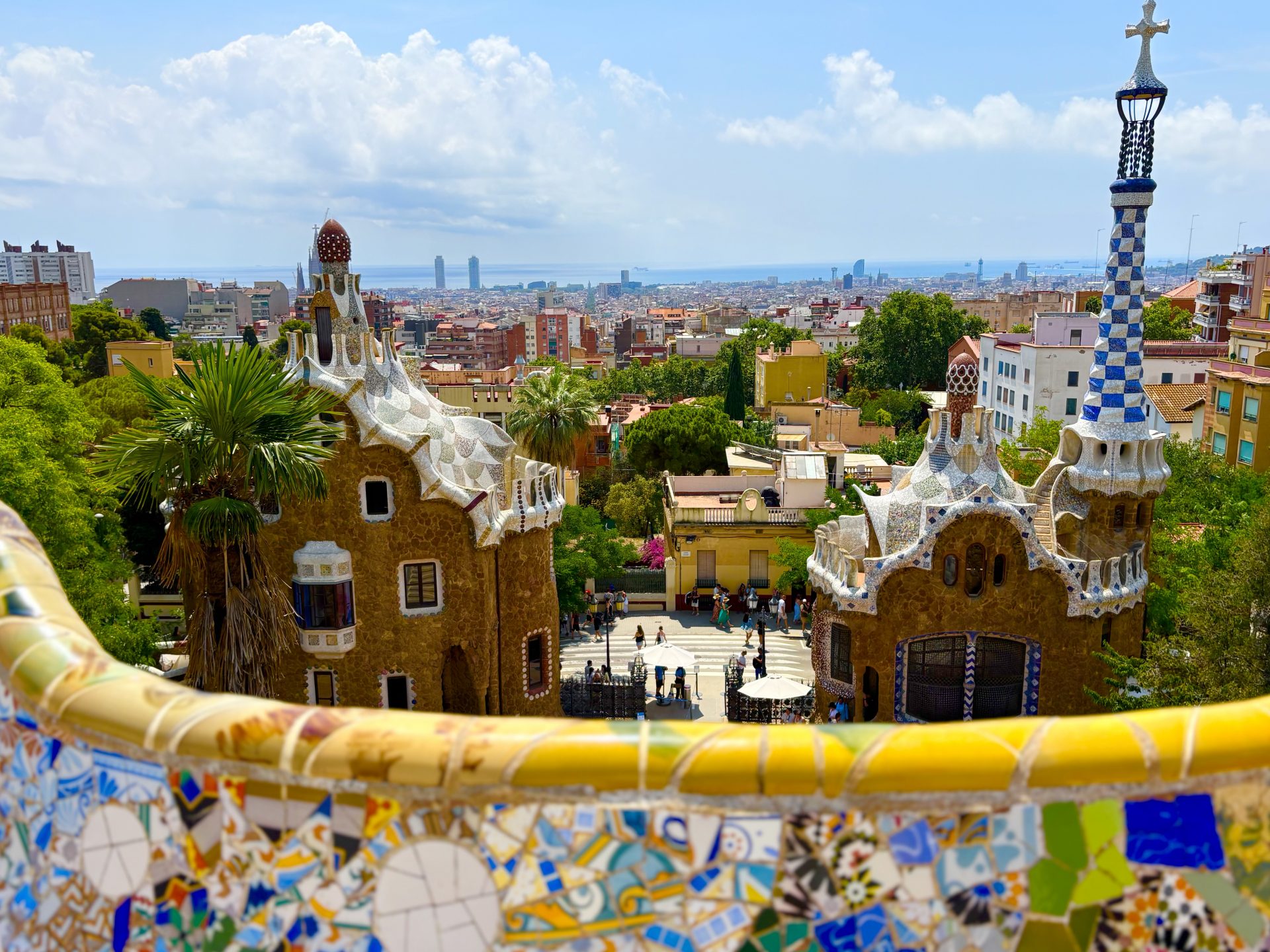
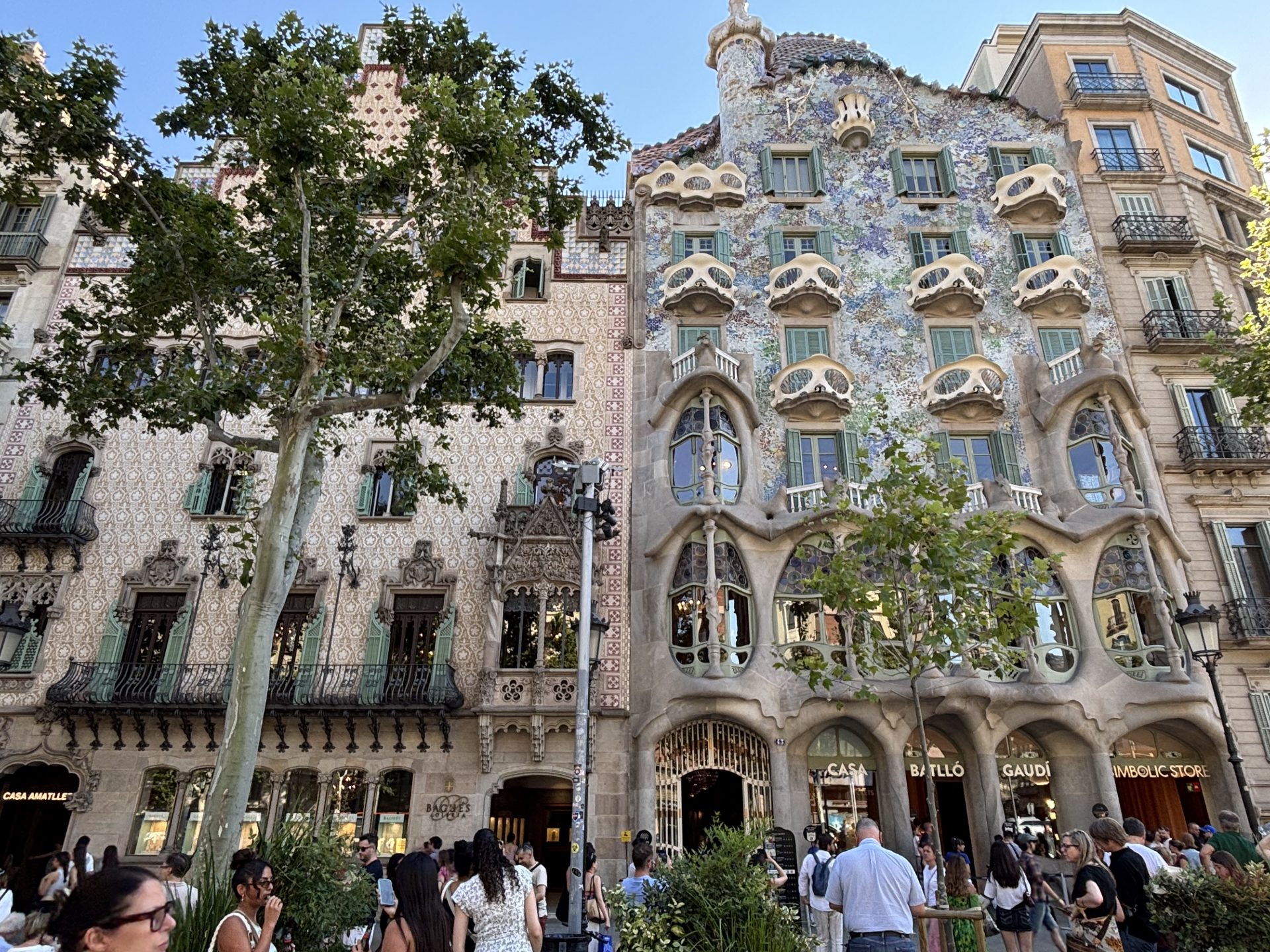
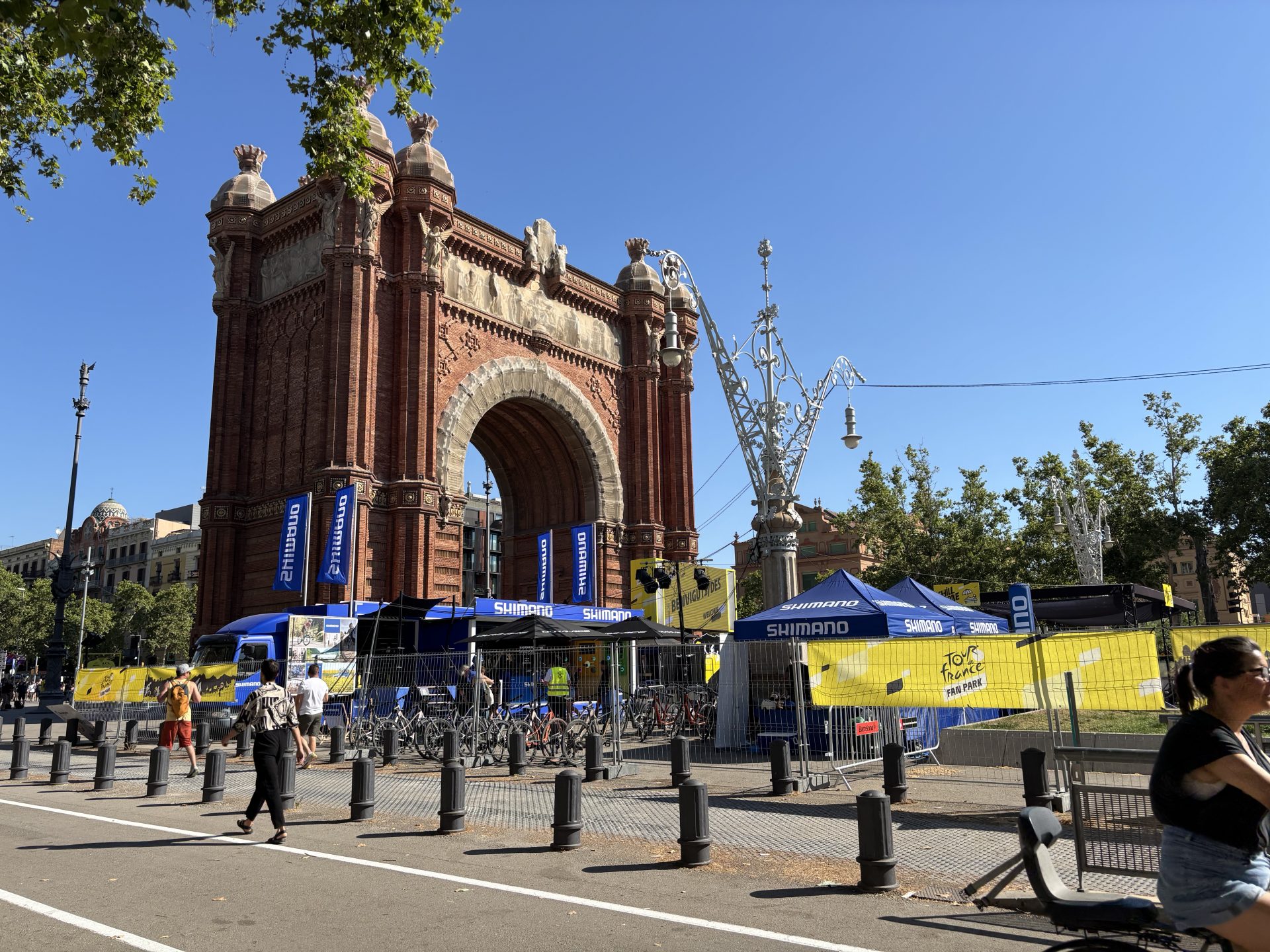
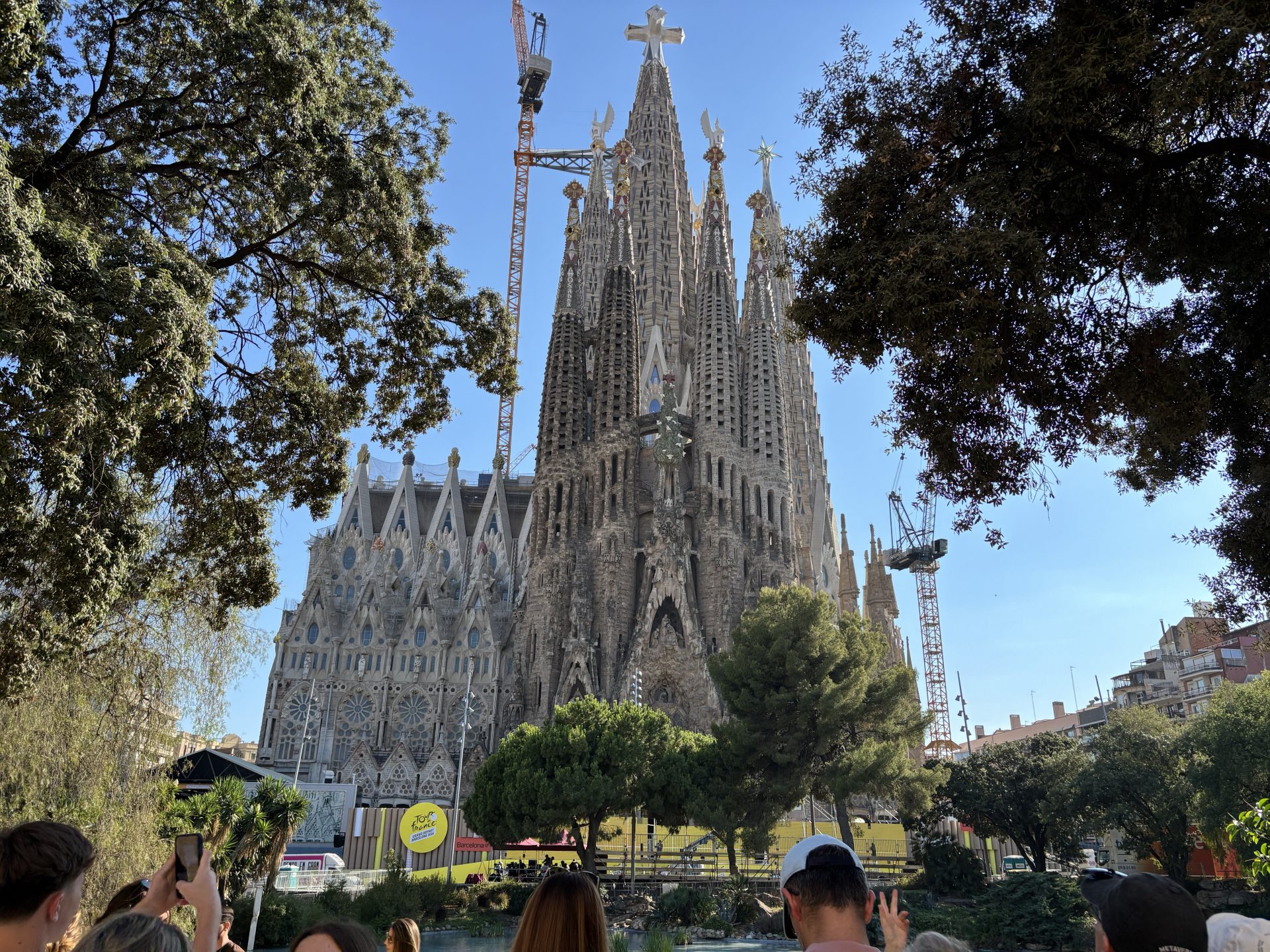
Barcelona, the host city of the conference, is the capital of Catalonia, Spain, and one of the world’s most renowned tourist destinations, known for its historic cityscape and rich artistic and cultural heritage. The city is particularly famous for the many unique architectural works designed by Antoni Gaudí, which have become iconic symbols of Barcelona. Among them, Sagrada Família is widely regarded as Gaudí’s masterpiece. Construction began in 1882 and has continued for more than a century. The year 2026 is a particularly significant year for Sagrada Família. In February, the exterior of the Tower of Jesus Christ, the tallest tower of the basilica, was completed, and the tower was officially blessed in June. As the long-running construction project reaches a major milestone, 2026 marks a special year in the history of Sagrada Família. During the stay, we visited Sagrada Família and had the opportunity to admire Gaudí’s magnificent architecture and distinctive design up close. Alongside attending an international conference where cutting-edge research from around the world was presented, the visit also provided a wonderful opportunity to experience the history and culture of Barcelona.