- collaborative projects
- international activities
- activity
Research Stay at Fraunhofer IWS
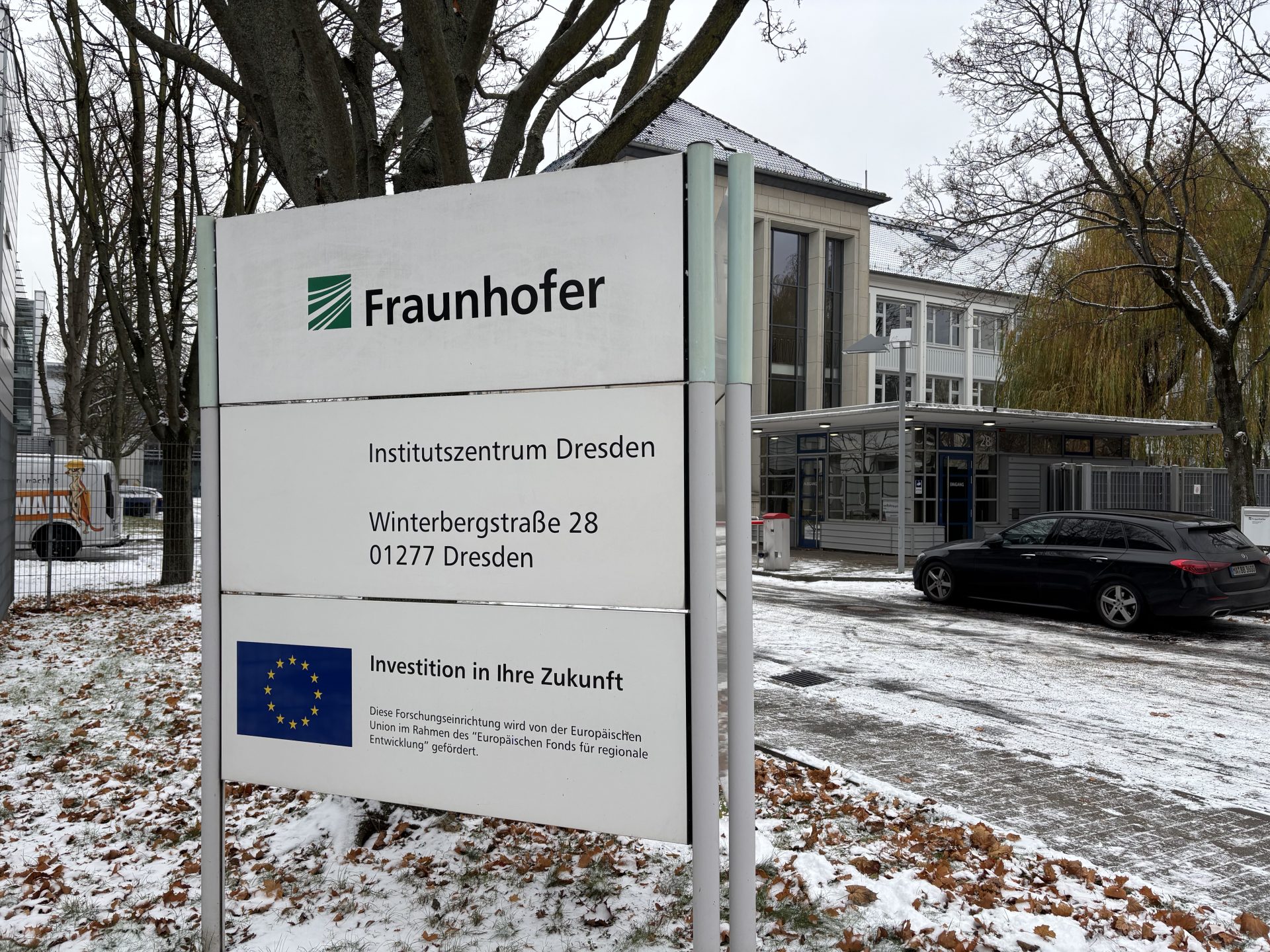
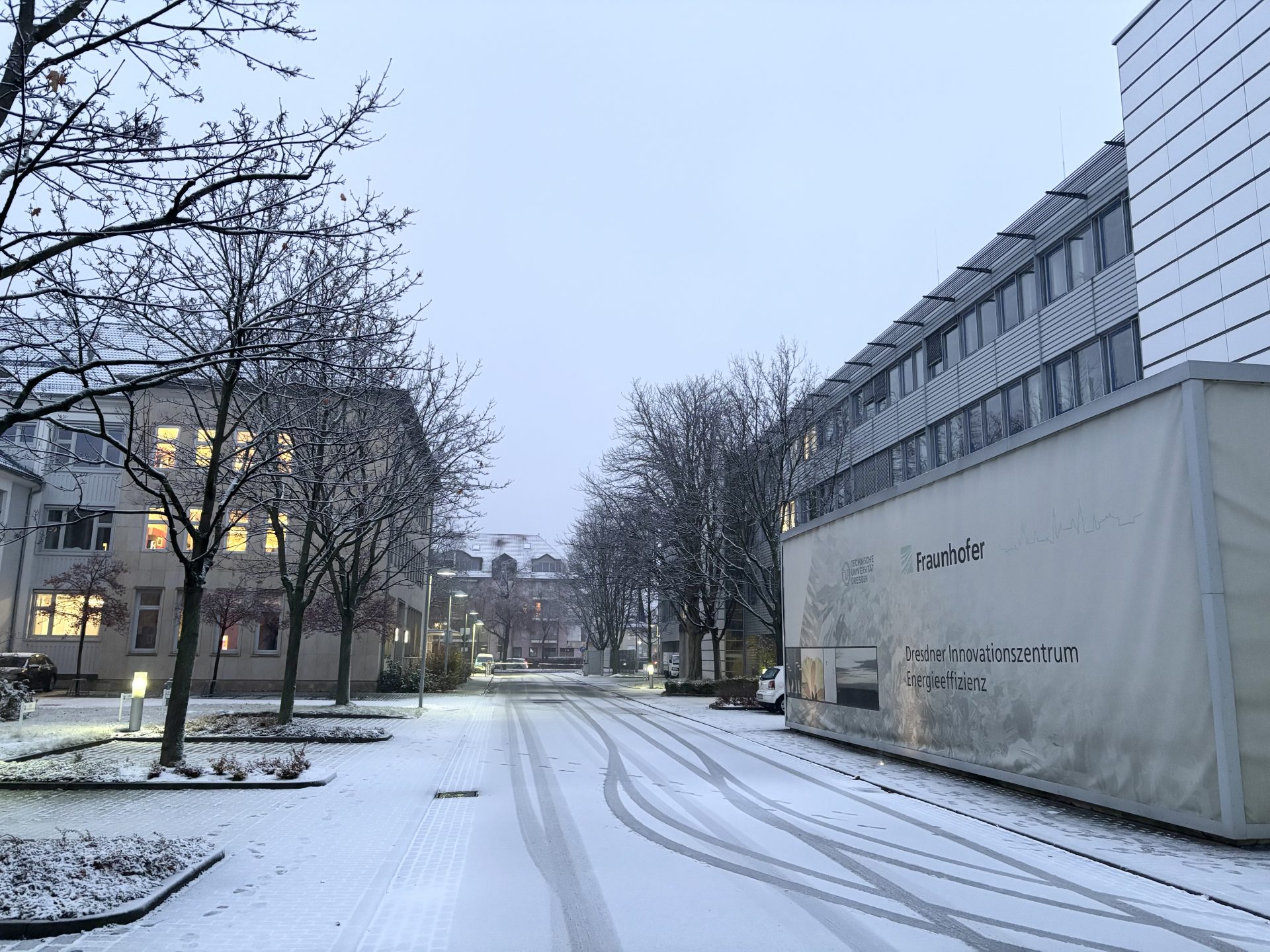
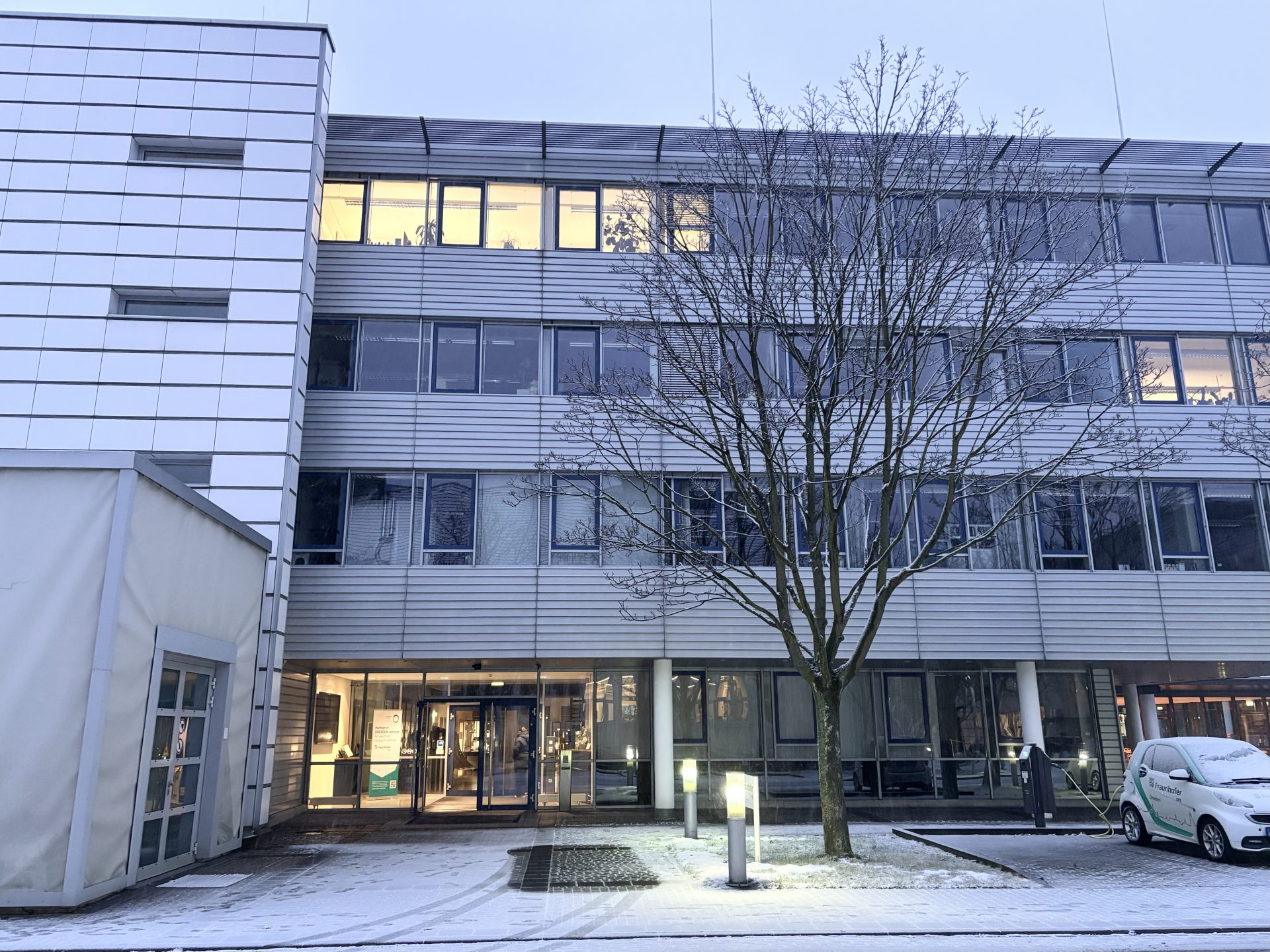
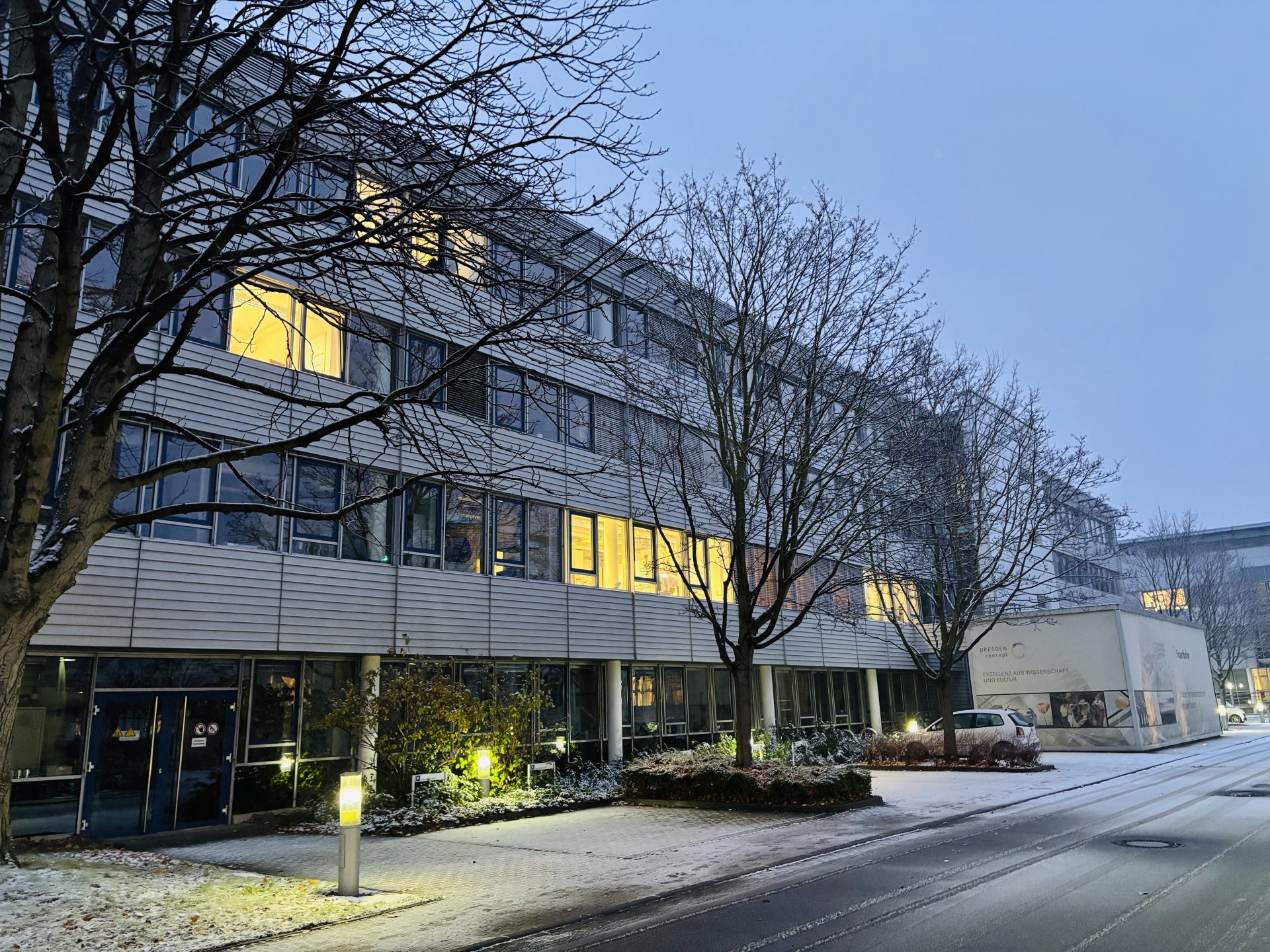
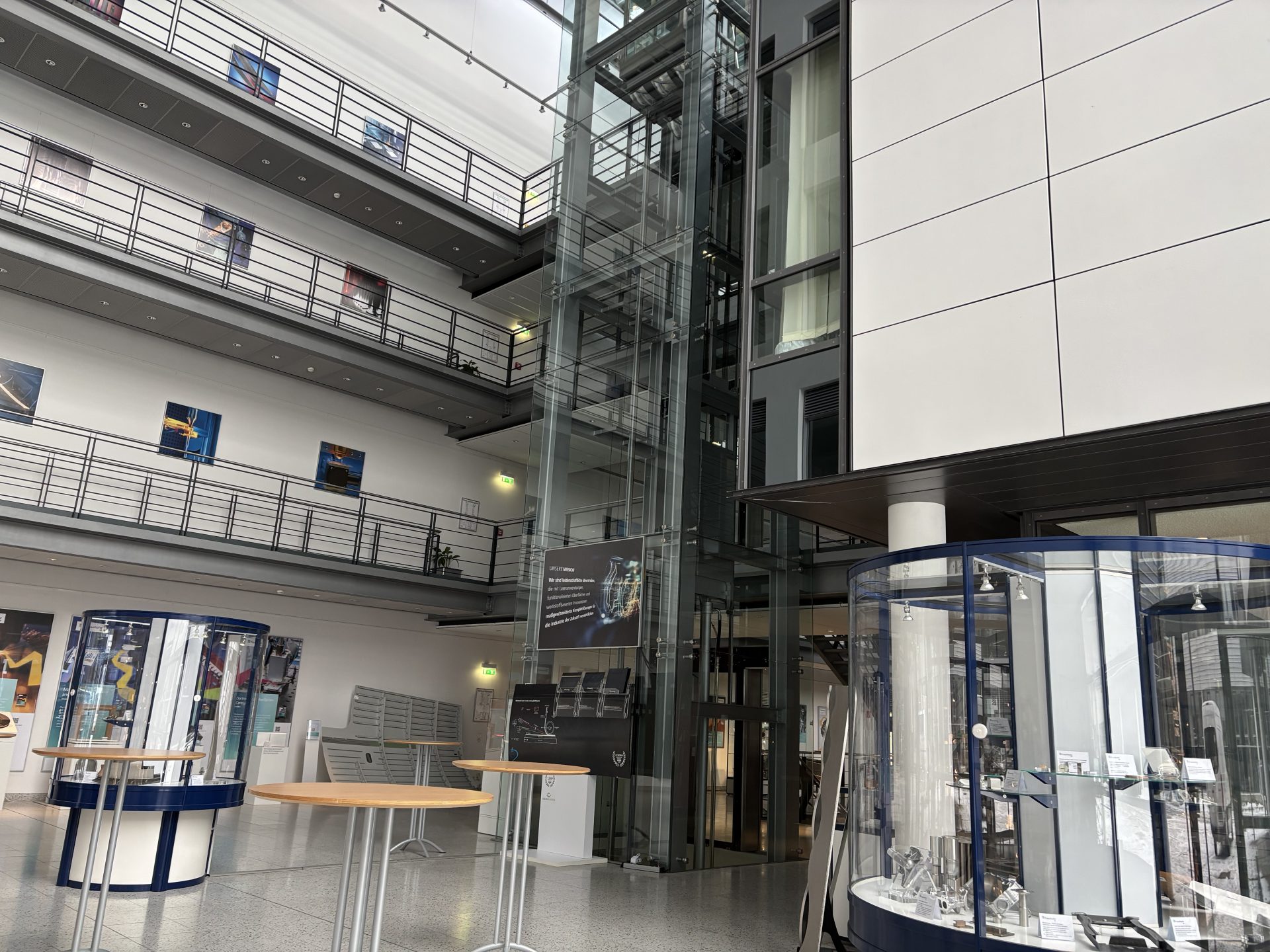
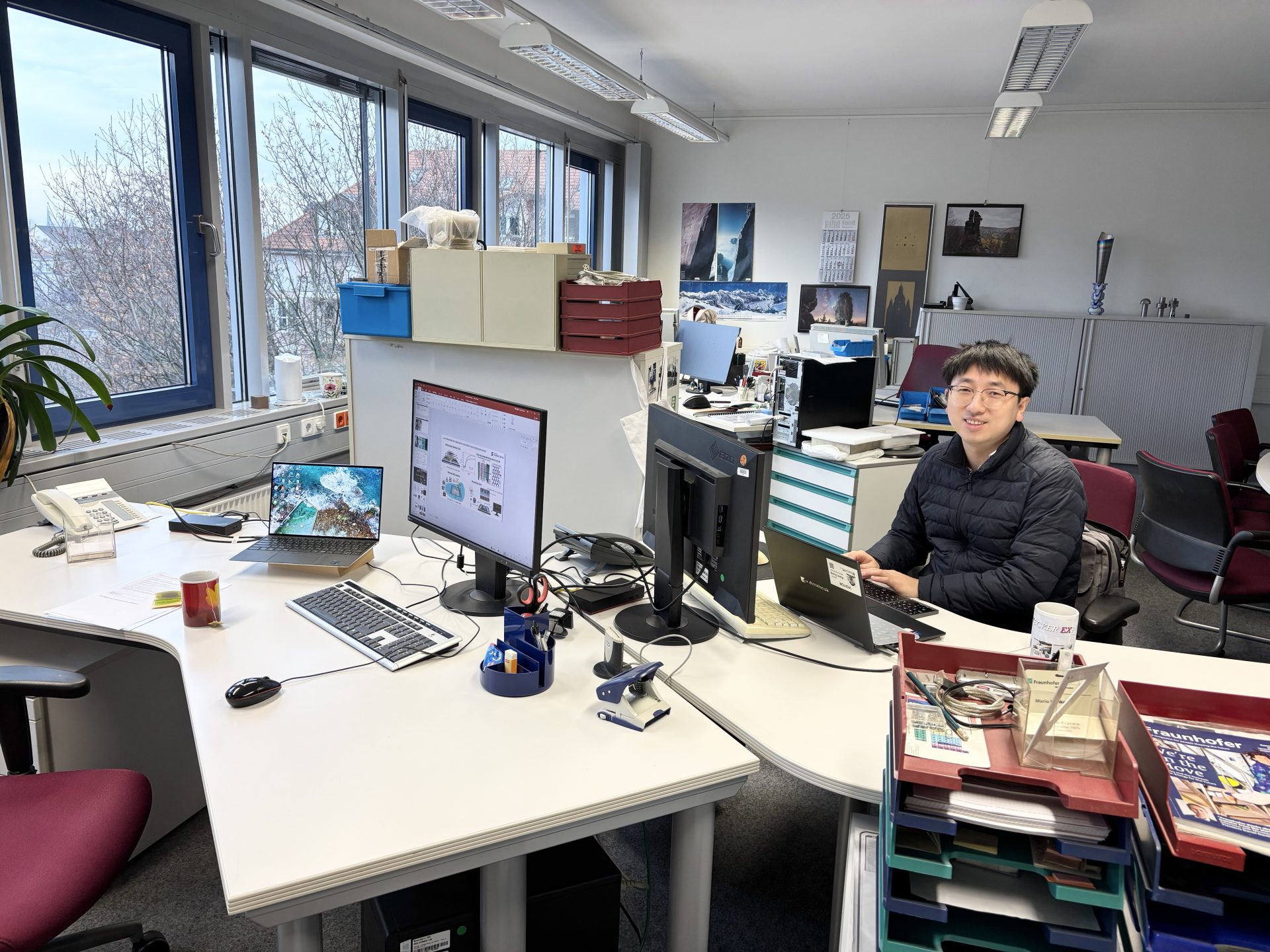
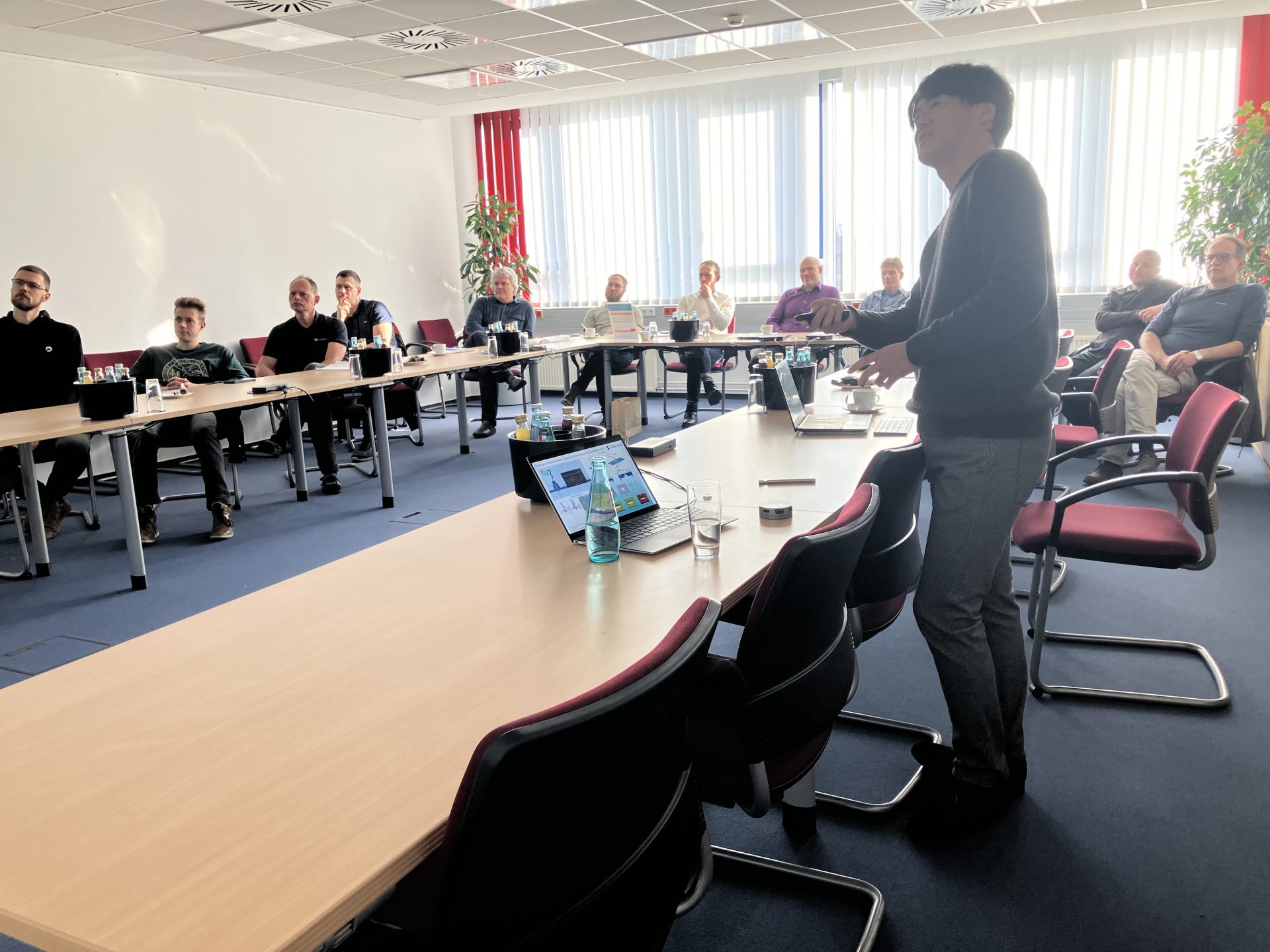
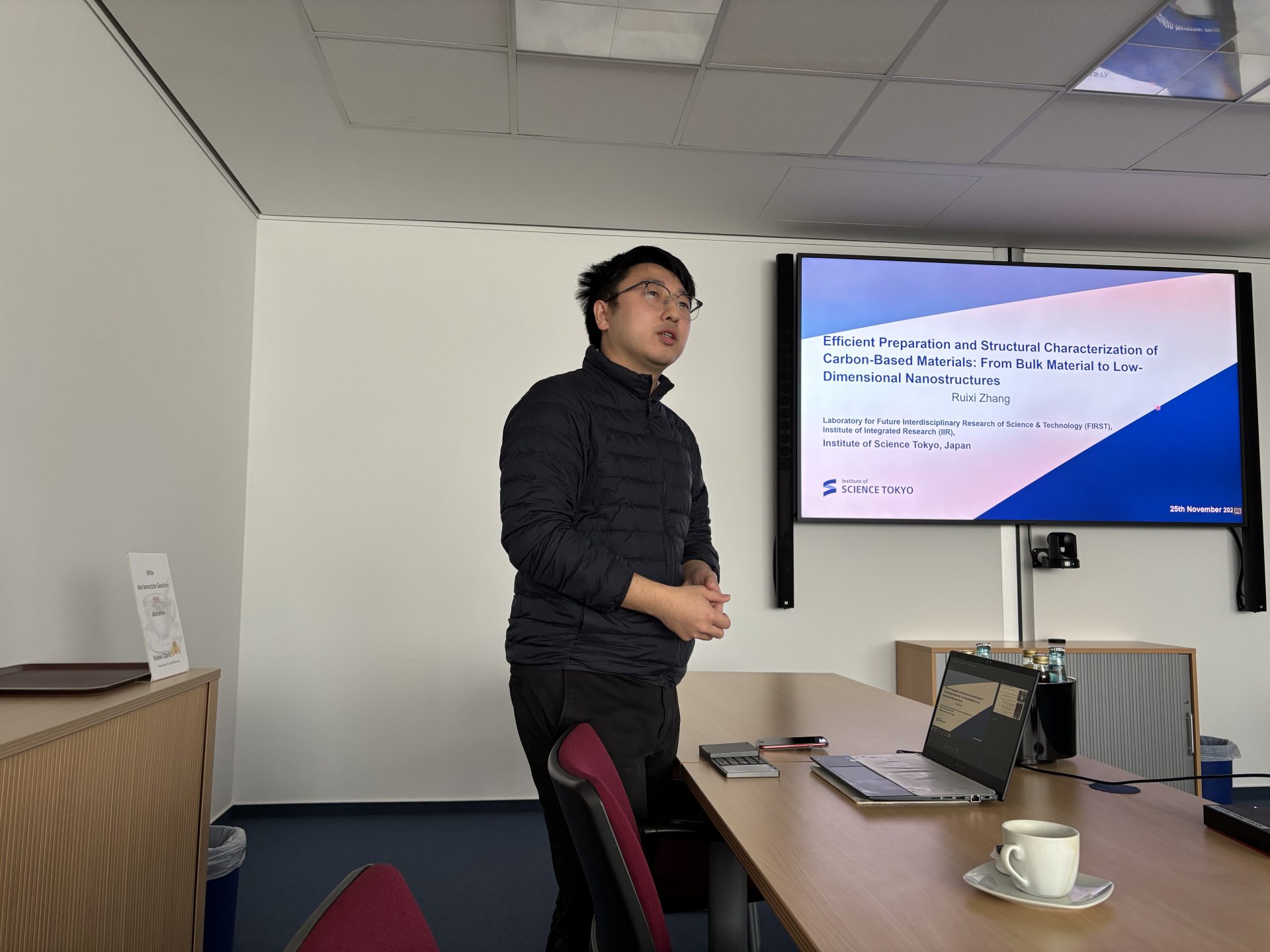
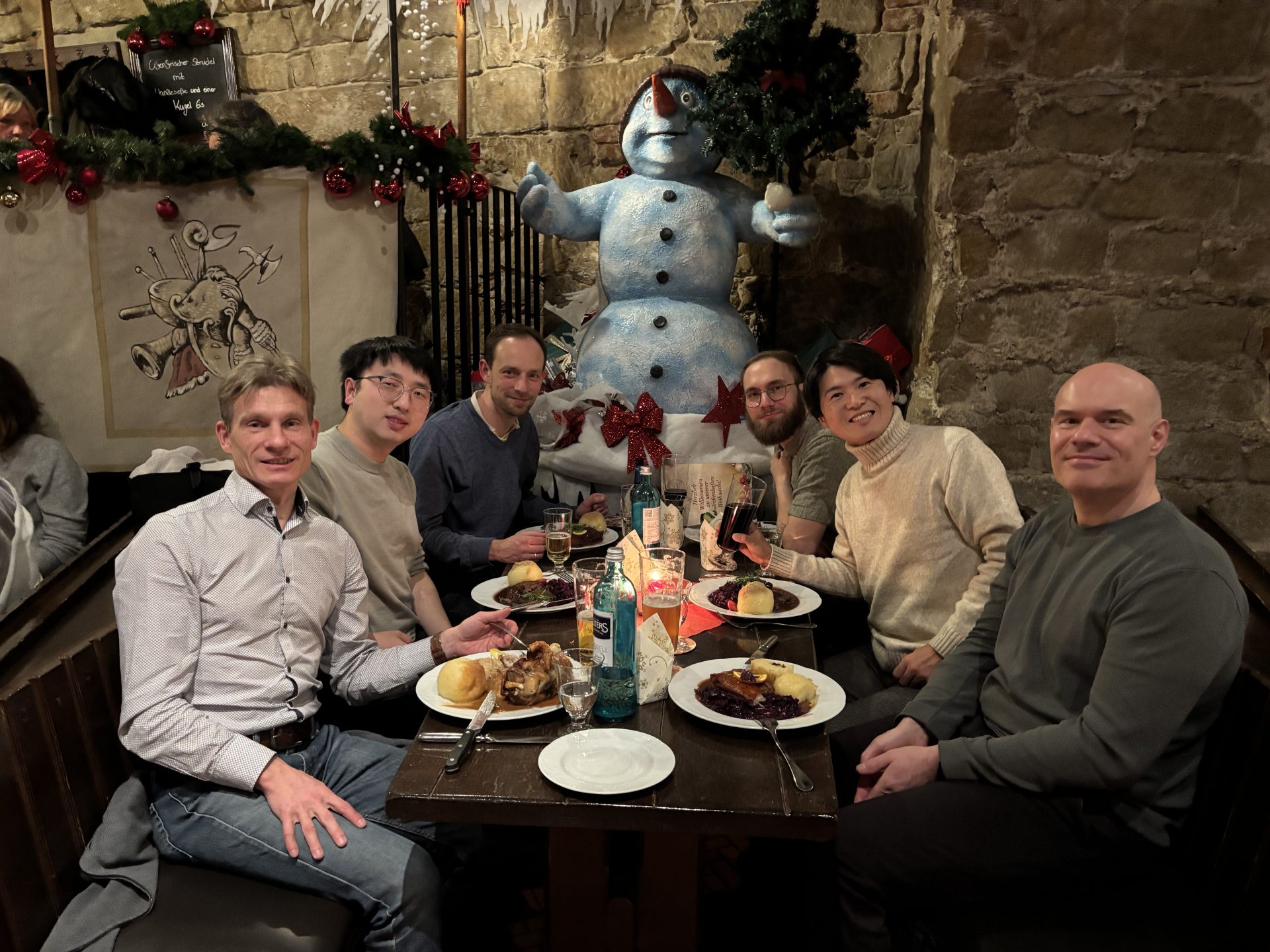
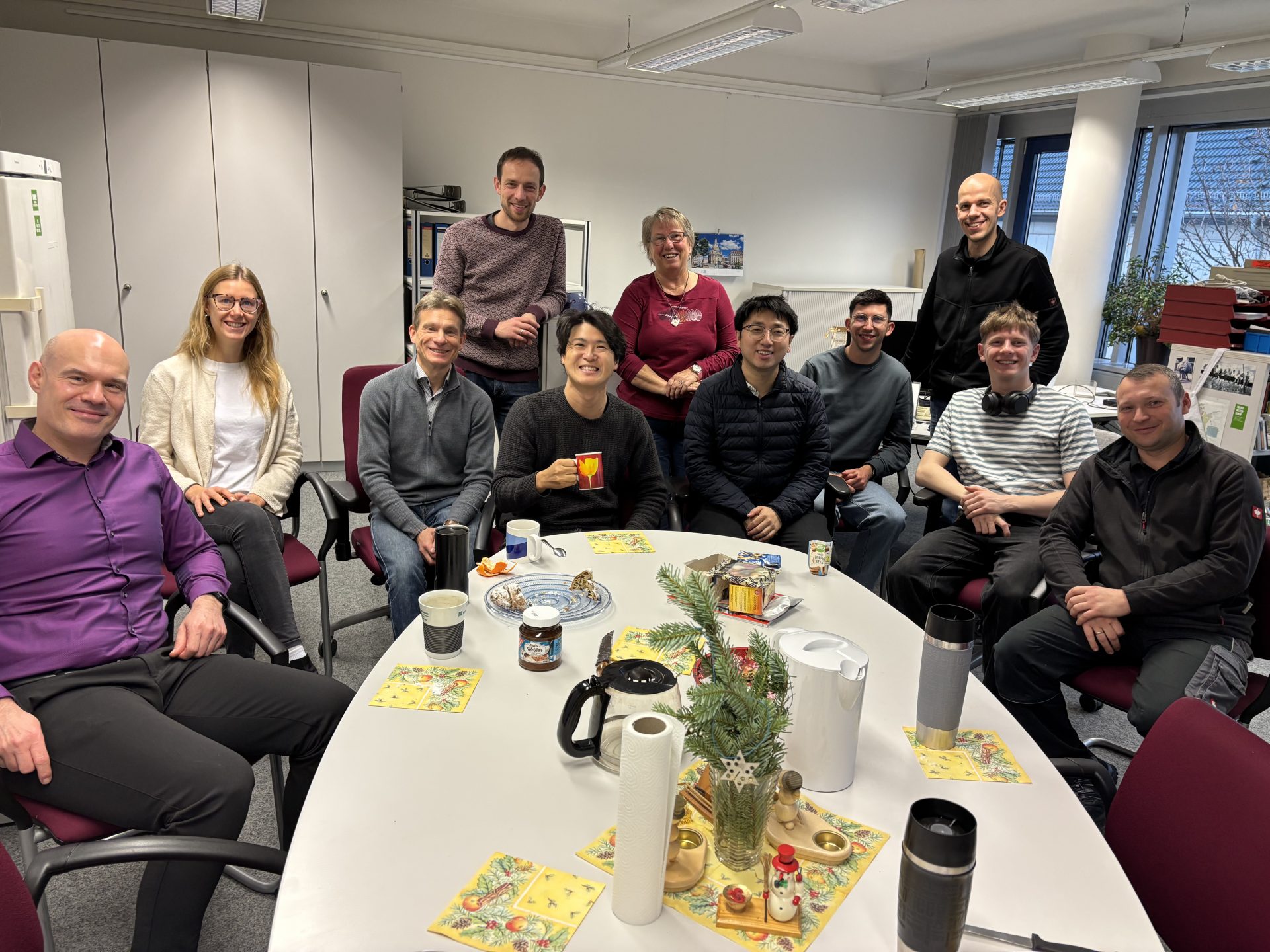
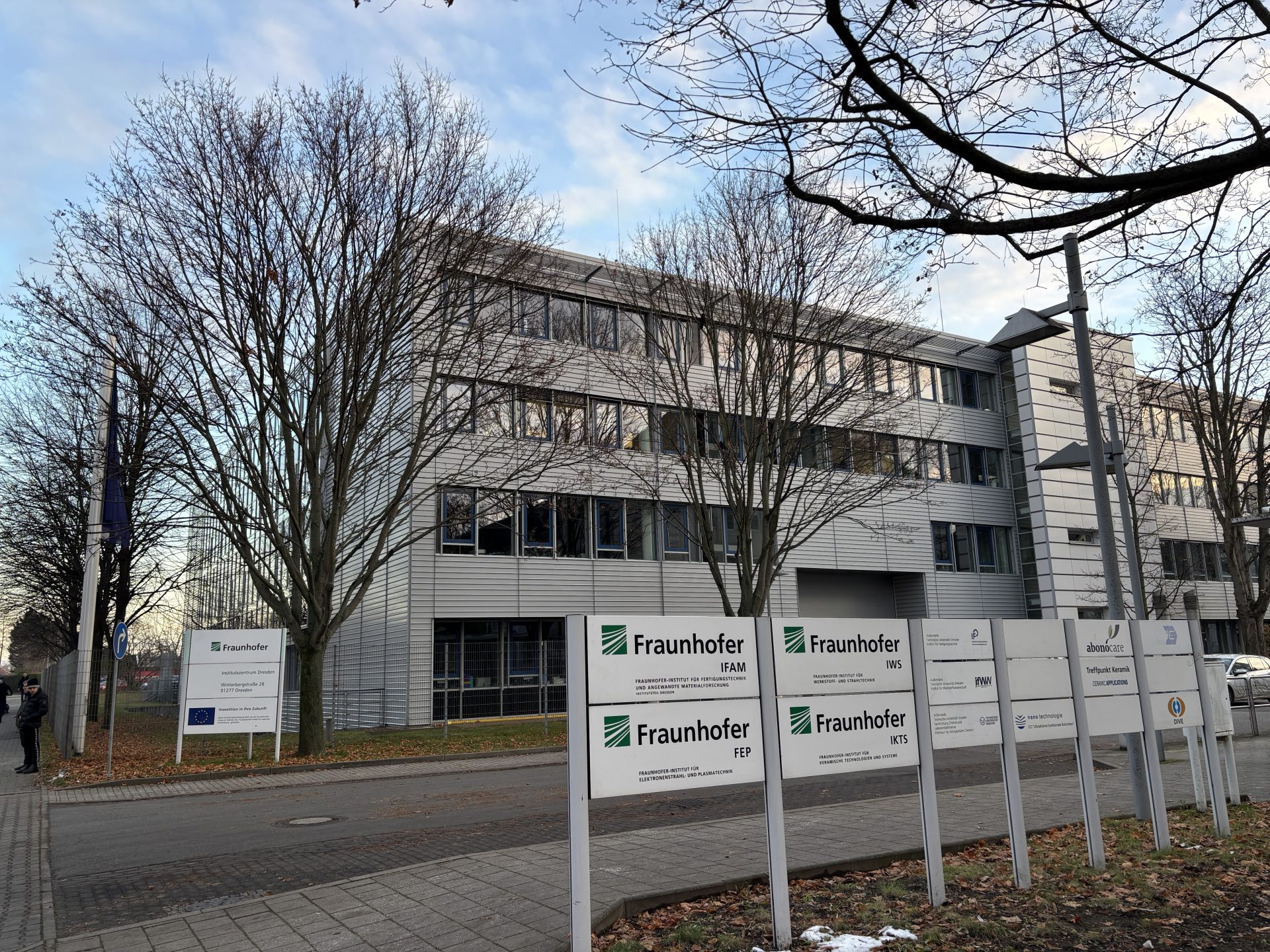
To strengthen the interdepartmental international collaboration led by our laboratory with Fraunhofer Institute for Material and Beam Technology IWS and to promote joint research activities, Hirata and Zhang visited and stayed with the research group of Volker Weihnacht from November 24 to December 5, 2025.
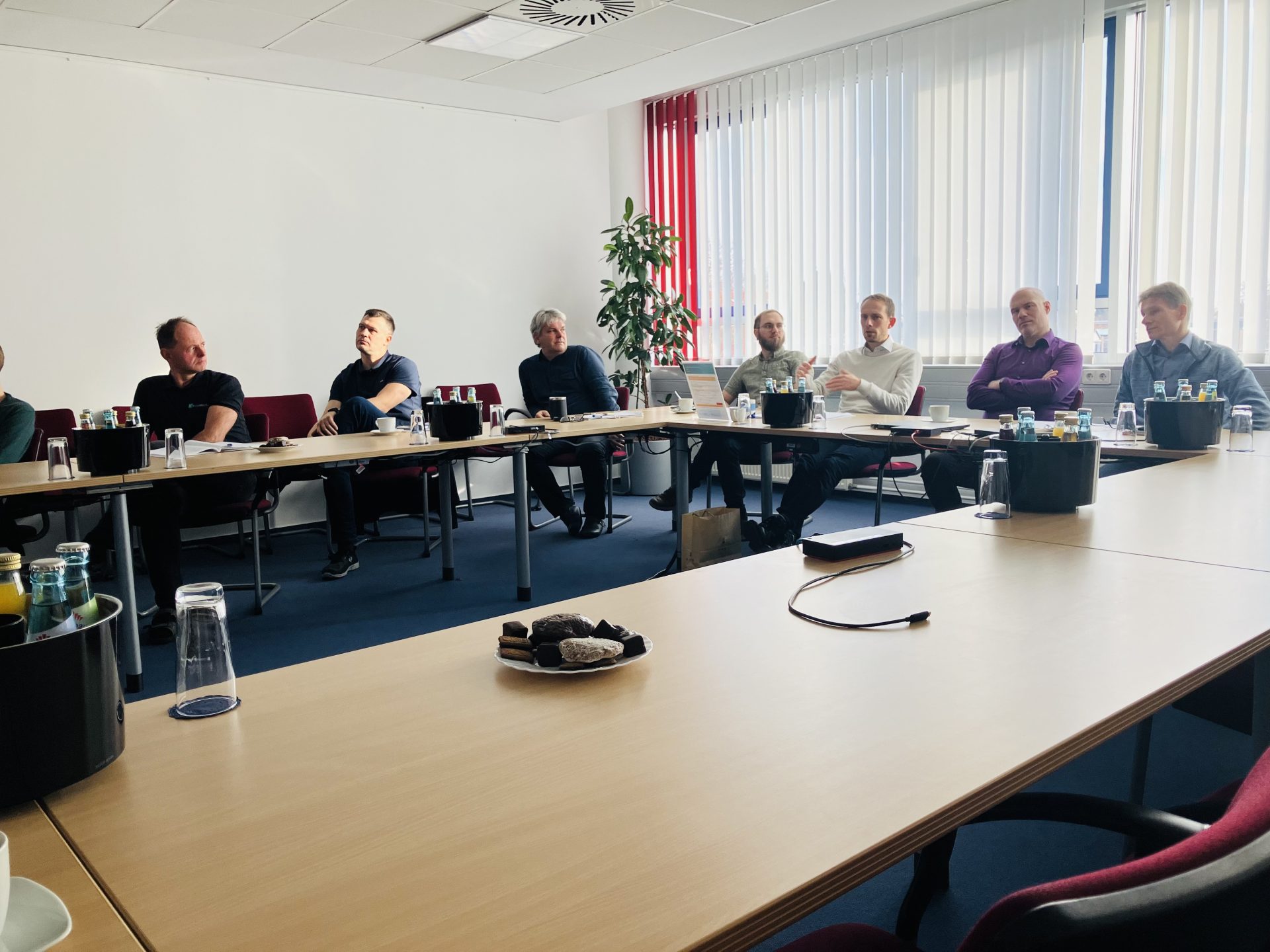
During the visit, we engaged in detailed discussions and exchanges regarding the institute’s state-of-the-art deposition and characterization technologies. Frank Kaulfuss introduced the FCVA (Filtered Cathodic Vacuum Arc) deposition system combined with laser-triggered arc discharge. In this technique, a laser is used to reliably trigger the cathode surface, generating a high-density plasma and enabling superior reproducibility and controllability compared to conventional arc methods. Furthermore, by employing a magnetic filter to remove macroparticles while delivering high-energy ions to the substrate, this method enables the formation of high-quality DLC films with a high fraction of sp³ bonding. The ability to precisely control ion energy and flux allows tuning of film density, internal stress, and adhesion, highlighting its strong relevance to our research on functional carbon-based thin films.
In addition, Stefan Makowski and Fabian Haeufig provided explanations of various tribological testing systems, through which we gained deeper insights into high-precision evaluation methods and test conditions simulating real operating environments. Moreover, Martin Zawischa introduced the laser acoustic analysis technique LAWave, offering valuable knowledge on advanced non-destructive methods for evaluating the mechanical properties and internal structure of thin films.
Through these discussions, we deepened our understanding of the correlation between deposition processes and tribological performance, and explored concrete possibilities for integrating these approaches with our ongoing research on carbon-based thin films and low-dimensional materials. In particular, we reaffirmed the importance of a comprehensive research strategy that combines process optimization with advanced characterization techniques, and held productive discussions on future directions for joint research.
This visit further strengthened the foundation for international collaboration by leveraging the complementary strengths of both institutions. We anticipate continued development of collaborative research and personnel exchange, and will build upon the knowledge gained to advance the design and realization of high-performance functional materials.